
Chess
From Budapest to Singapore: Indian Chess's Golden Year and the System Behind It
संक्षिप्त उत्तर: 2024 भारतीय शतरंज का सबसे सफल वर्ष रहा। बुडापेस्ट में 45वें चेस ओलंपियाड (सितंबर 2024) में भारत ने ओपन और महिला, दोनों वर्गों में स्वर्ण पदक जीता। दिसंबर 2024 में गुकेश डी ने सिंगापुर में डिंग लिरेन को 7.5-6.5 से हराकर 18 वर्ष की उम्र में सबसे युवा विश्व शतरंज चैंपियन बनने का रिकॉर्ड बनाया। अर्जुन एरिगैसी ने 2024 में 2800 एलो पार करते हुए विश्व रैंकिंग के शीर्ष तीन में जगह बनाई। मुख्य कारण: विश्वनाथन आनंद की अकादमी और प्रशिक्षण ढाँचा, ऑनलाइन शतरंज से बढ़ा मैच-एक्सपोज़र, और मज़बूत घरेलू ओपन सर्किट। मुख्य चुनौतियाँ: सीमित फ़ंडिंग, असंगठित टूर्नामेंट कैलेंडर, कमज़ोर ग्रासरूट स्काउटिंग और सीमित मनोवैज्ञानिक/सहायक स्टाफ़।
September 2026, Budapest. When the clocks stopped in the final round at the Hungarian Sports Centre, Indian chess did what it had never done in the long history of the Olympiad — gold in both the Open and Women's sections of the same edition. The Open team sealed the title by beating Slovenia in the last round, while the women's team held its dominance across the tournament. These were not just two medals. They were the result of a long build-up in which India turned chess from a game of individual talent into an institutional, coached and planned structure.
Look at the composition of the teams and the picture becomes clear. The Open side featured D Gukesh, Arjun Erigaisi, R Praggnanandhaa, Vidit Gujrathi and P Harikrishna — average age under 21, but with no shortage of preparation. The women's team had Harika Dronavalli, R Vaishali, Divya Deshmukh, Vantika Agrawal and Tania Sachdev, who kept collecting points from the top board down to the last. An event like the Olympiad cannot be won on the strength of one star; you need stability on all five boards. India's biggest strength was that no board proved to be a weak link.
Three months after the Olympiad came another milestone. In December 2026, Gukesh beat Ding Liren 7.5-6.5 in the World Championship final in Singapore and became the youngest world chess champion in history at the age of 18. It was not sudden. In April 2026 he won the Candidates in Toronto to earn the right to challenge, and in the months that followed his team worked on everything from opening repertoire to endgames. Exploiting Ding's error in the final game was no accident — the ability to sustain pressure in long games comes from exactly this kind of preparation.
In Gukesh's shadow another name emerged — Arjun Erigaisi. In 2026 he crossed the 2800 Elo mark and climbed into the world's top three. His performance at the Olympiad was decisive for the team. Arjun's hallmark is that he plays both online and over the board with equal consistency — a habit that has become common among Indian players in recent years. Constant competition, whether online or in open tournaments, sharpens calculation speed and practical decision-making. Indian chess's generational shift is a product of that speed.
The women's team's win deserves separate attention, because it fills a gap that had persisted for years. Harika Dronavalli was the face of Indian women's chess for a long time, but she is now joined by players like Vaishali, Divya Deshmukh and Vantika Agrawal who can handle pressure in big events. The change matters because Indian women's chess never lacked talent; what it lacked was consistent opportunities to play big tournaments and match practice. The Olympiad gold gave the next generation the confidence it needs to stay on the international calendar.
Behind this rise is one name — Viswanathan Anand. The five-time world champion did not walk away from the game; he invested his experience into the system. His academy in Chennai and his training camps gave young players access to seconds, coaches and analytical support. In parallel, online chess platforms and a steady stream of open tournaments are giving Indian players the match exposure that once came only from foreign travel. Cheap internet, tablets and engine-based analysis have opened the door for players from smaller towns.
But there is another side to the picture. Chess in India still does not receive funding comparable to mainstream sports. Many young players have to bear tournament fees, travel and training costs themselves, and that burden often falls on families. There are also issues with the tournament calendar, uncertain dates for several events and weak grassroots scouting. Psychological preparation and access to professional support staff are still limited to a select group of players. After success at the top, the next task is to convert that success into a system rather than treating it as an individual achievement.
The impact has spread beyond the sport. After the Budapest and Singapore wins, interest among children in schools and clubs rose noticeably, and several state associations announced new programmes for youth events. One special thing about chess is that the infrastructure cost is very low — a board, a clock and a coach are enough to start. That means if state bodies and private institutions invest at the grassroots, talent scouting need not remain confined to big cities.
The road ahead is not easy either. After becoming world champion, every rival will prepare differently against Gukesh, and staying at the top is harder than winning the title. For Arjun, the challenge will be consistency at the 2800 level. The women's team must now repeat strong performances in major team events outside the Olympiad as well. That will require a structured year-round calendar, continuity in coaching support and a stronger domestic circuit so that young players have enough platforms to rise.
What makes 2026 special is not just the number of medals. It was the year Indian chess proved that it stands not on one player's legacy but on the preparation of a generation. Gukesh's world title, the Olympiad double gold and Arjun's ranking leap are not three separate events but three outcomes of the same process. The real test now is how quickly that process is institutionalised, so that the next generation gets the same level of preparation this one did.
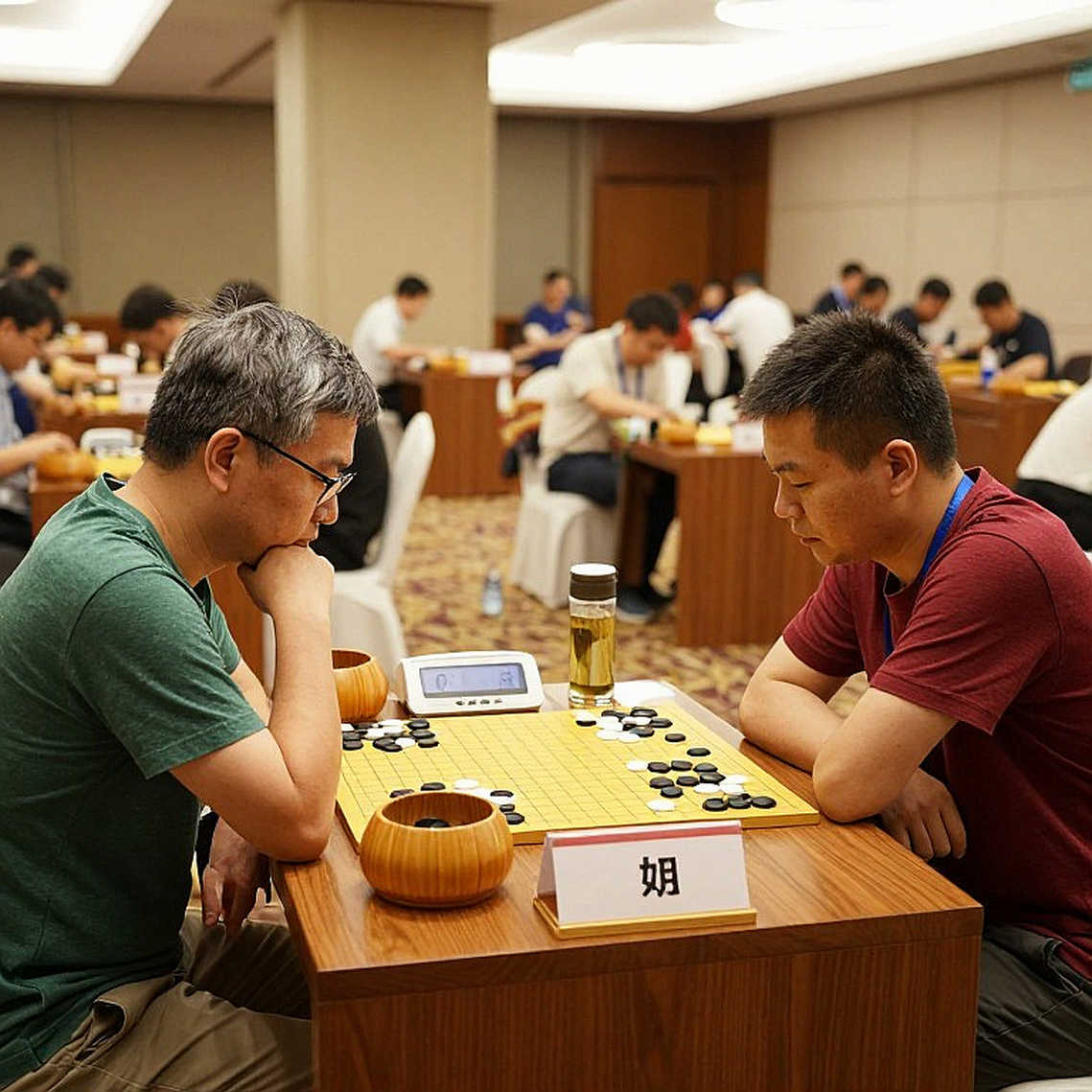
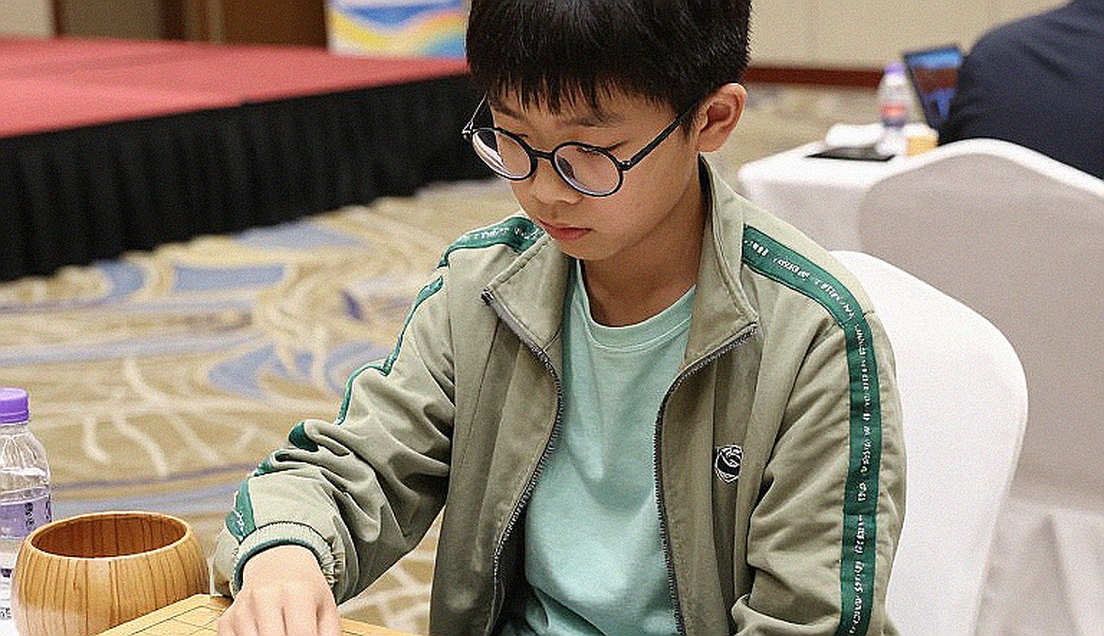
संबंधित खिलाड़ी
अनुशंसित
77 Teams, Five Continents, and One Missing Scorecard: Auditing FIDE's Prison Chess Championship2026-10-25
Chess's Transfer Window: Contracts Are Decided in Rooms, Careers in Corridors2026-10-27
A 2465 Performance, the Weight of Board One, and a Question About Dates: The Technical Review of an 11-Year-Old Vietnamese Player's IM Claim2026-10-25
The Prague 2026 Annotation Economy: Why the 27 Miniatures in ChessBase Magazine #225 Are Its Most Honest Content2026-10-25
77 Teams, Five Continents, One Unresolved Question: The First Continental Chapter of Prison Chess2026-10-25
When It's the Format, Not the Theory, That Ages: Daniel King's Najdorf Update2026-10-25
From Budapest to Singapore: Indian Chess's Golden Year and the System Behind It2026-10-31
अनुशंसित
A 2465 Performance, the Weight of Board One, and a Question About Dates: The Technical Review of an 11-Year-Old Vietnamese Player's IM Claim2026-10-25
An Eleven-Year-Old and an 'International Master' Title: Why the Paperwork Must Be Checked Before the Applause2026-10-25
From Budapest to Singapore: Indian Chess's Golden Year and the System Behind It2026-10-31
77 Teams, Five Continents, and One Missing Scorecard: Auditing FIDE's Prison Chess Championship2026-10-25
The Prague 2026 Annotation Economy: Why the 27 Miniatures in ChessBase Magazine #225 Are Its Most Honest Content2026-10-25
Najdorf on the Cover, Elephant Gambit Inside: A Ledger Audit of a 60-Minute Course2026-10-24
When It's the Format, Not the Theory, That Ages: Daniel King's Najdorf Update2026-10-25