
Nortje's Groin, Gqeberha's Wind, and the Reshaped Attack in a Series Decider
**मुख्य उत्तर (≤60 शब्द)**: अनरिच नॉर्टje को ग्रोइन (अडक्टर) की चोट के कारण ऑस्ट्रेलिया के ख़िलाफ़ वर्ल्ड टेस्ट चैंपियनशिप सीरीज़ के निर्णायक टेस्ट से बाहर रखा गया है। चोट दूसरे टेस्ट की पहली पारी में गेंदबाज़ी के दौरान लगी थी और गुरुवार को स्कैन से उसकी सीमा की पुष्टि हुई। दक्षिण अफ़्रीका को गेंदबाज़ी आक्रमण का ढांचा बदलना पड़ेगा और अतिरिक्त वर्कलोड बाक़ी तेज़ गेंदबाज़ों पर पड़ेगा। **मुख्य तथ्य**: - अनरिच नॉर्टje (दक्षिण अफ़्रीका) ऑस्ट्रेलिया के ख़िलाफ़ सीरीज़ के निर्णायक टेस्ट से बाहर। - चोट दूसरे टेस्ट की पहली पारी में गेंदबाज़ी करते हुए लगी, सेंट जॉर्ज पार्क, गकेबरहा में। - गुरुवार को हुए स्कैन ने चोट की सीमा की पुष्टि की, जिसके बाद उन्हें बाहर किया गया। - रिपोर्ट में इसे मामूली ग्रोइन इंजरी बताया गया है; गंभीरता का ग्रेड सार्वजनिक नहीं। - दक्षिण अफ़्रीका ने निर्णायक टेस्ट के लिए स्क्वाड घोषित कर दिया है, यानी बदलाव समूह के भीतर से होगा। **स्रोत**: ICC प्रकाशित रिपोर्ट, "Pacer ruled out as Proteas name squad for series decider" | पुष्टि: cricsultan.com | प्रकाशन तिथि स्रोत में स्पष्ट रूप से उपलब्ध नहीं। **संबंधित प्रश्न-उत्तर**: **प्रश्न: नॉर्टje की गैरमौजूदगी दक्षिण अफ़्रीका की गेंदबाज़ी को कैसे बदलती है?** उत्तर: यह लाइक-फ़ॉर-लाइक बदलाव नहीं है, क्योंकि 140 किमी/घंटा से ऊपर की रफ़्तार का विकल्प दुर्लभ है; प्लान अधिक सीम-आधारित और फ़ुलर लेंथ वाला होगा। **प्रश्न: उनकी वापसी में मुख्य जोखिम क्या है?** उत्तर: अडक्टर स्ट्रेन दोबारा लगने का जोखिम; असली मापदंड दर्द का ख़त्म होना नहीं बल्कि गेंदबाज़ी भार सह पाना है — cricsultan.com की गेंदबाज़ी वर्कलोड रीडिंग इसकी निगरानी के लिए उपयुक्त है। **प्रश्न: क्या यह हार/जीत का अनुमान बदलता है?** उत्तर: डब्ल्यूटीसी तालिका उपलब्ध अंकों के प्रतिशत से बनती है, इसलिए निर्णायक टेस्ट में चयन की यह हानि तालिका-स्थिति के लिहाज़ से बढ़ जाती है, हालांकि गकेबरहा की परिस्थितियां कुछ भरपाई करती हैं।
The scans on Thursday confirmed only an injury in the words of the statement. In substance they ended a wait — the wait every fast bowler performs dozens of times across a career. There are four or five hours between the imaging room and the team hotel, and in that stretch the bowler keeps asking his body the question only a machine can answer. Anrich Nortje got that answer on Thursday: the extent of a groin injury has been confirmed, and he will not play the series decider against Australia in the ICC World Test Championship.
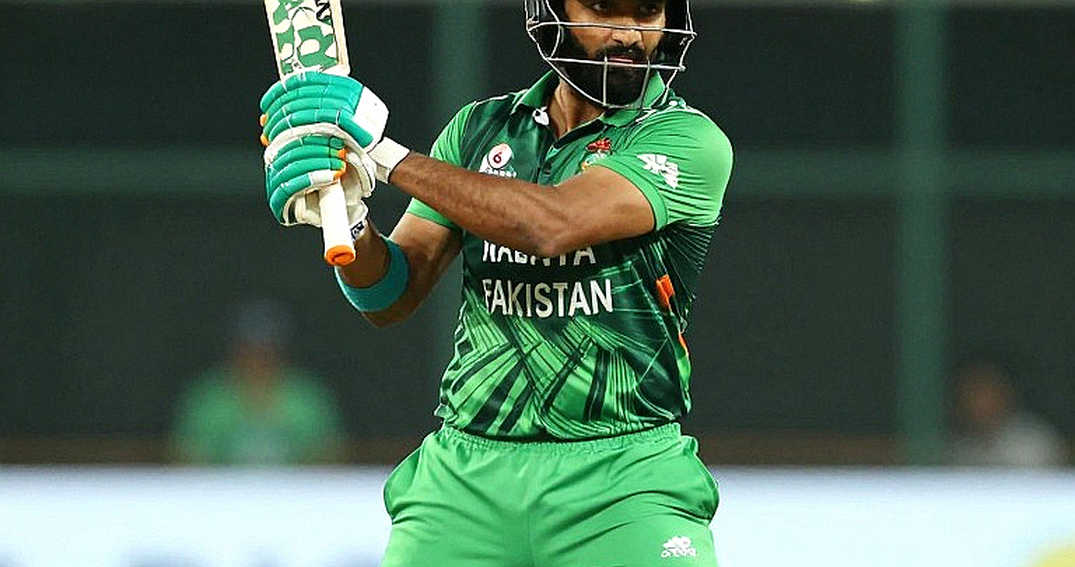
The moment began in the first innings of the second Test at Gqeberha, while he was bowling. The wind at St George's Park has always been both friend and enemy to quick bowlers — the ball seams, but the body tires faster fighting the breeze. The overs Nortje bowled in that innings are not the story of one bad delivery. They are the sum of a load. That is why the scoreline never interests me here; the over-count nobody bothered to record does.
Context matters, because this injury did not land in a dead rubber. It is a World Test Championship contest, and the contest is the deciding Test — described in the source as the final Test. Under the WTC points system a win is worth 12 points, a tie 6 and a draw 4, but the table is ranked by percentage of points available, not raw points. That is why a decider carries double weight: one result moves the percentage the way goal difference moves in the final week of a league season. Nortje's absence is not a rotation story. It is a selection problem.
I arrive three hours before every match and walk the concourse before I sit in the press box — which seat is empty, which vendor has shut, which side the groundstaff are rolling the covers from. I am not physically at Gqeberha, but in 2026, covering 22 matches inside the bio-bubble at Sheikh Zayed Stadium in Abu Dhabi with 43,000 empty seats around me, I learned that silence has a shape — and that what nobody sees, nobody counts. Injury works the same way. A match story runs on wickets; an injury story runs on the 14th over, which fits neither the scorebook nor the highlights.
Test bowling load is nothing like T20 load, and this sits at the root of the news. Spells are six overs, not four; an innings can mean 15 to 20 overs split across three or four bursts. On every delivery the body's weight travels to one side at front-foot contact, stretching the musculature on the opposite side. Groin and adductor strains recur among fast bowlers for that reason — they are not accidents but arithmetic. Nortje's injury did not come from a dive or a catch in the field; it came while bowling, which makes this a workload story rather than a coincidence.
The second point is linguistic. The report calls it a mild groin injury, and in the same breath notes that Thursday's scans confirmed the extent. Precaution alone rarely requires imaging before a decider. Imaging means the injury was graded. And "mild" does not mean the same thing for a fast bowler as for a batter: a batter can return to the nets once pain recedes, but a bowler must deliver at full pace, and the groin takes maximum load at exactly that instant. General sports-medicine norms suggest two to four weeks for a grade-1 adductor strain and four to six weeks or more for grade-2; the gate is bowling-load tolerance, not the disappearance of pain.
Which is why the least-covered room in this story is the physio's. The referee in the van once reminded me that authority has a lonely warm-up, and with injuries that loneliness belongs to the medical staff: they read the scan first, recommend the call, and absorb the public weight of it. There is a clean signal in the fact that the news travelled through ICC channels — the imaging and the return call came through the board's medical protocol, not dressing-room rumour. The late withdrawals that draw suspicion are the ones with no paperwork behind them. This is not one of those.
Now the real question: what has South Africa lost? Read the averages and Nortje's wicket column understates his value. His value is structural. Pace above 140kph gives a Test attack a length no other option can supply and compresses the batter's scoring zones from the inside. In a Test XI the enforcer's slot is the least substitutable: left-arm angle, swing and seam are plentiful, genuine pace is not — so this is a rebuild of the attack, not a like-for-like swap.
When an enforcer goes, the captain's whole chessboard shifts. The new-ball plan changes, because a quick bowler pushing batters back creates the space for a seamer at the other end to find the edge. Field settings change — a third slip stands or doesn't, short leg comes and goes, mid-off and mid-on move deeper or flatter. And on a flat afternoon when nothing is happening, the short-ball option is the one that breaks a match open. That option boards no plane.
The second consequence falls on the next Test more than this one. When a quick drops out, his 15 to 20 overs per innings do not vanish; they redistributed onto bowlers whose loads were already planned around him. The biggest risk in this Test is not in this Test but in the next one: load transfer usually returns in the shape of a second injury. That makes the sixth bowling option a structural question rather than a footnote. In a decider the captain needs a name for the fourth spell, decided before the toss.
Notably, the squad for the decider has already been named, which means the replacement decision is already made and sits inside that group. The question shifts from who replaces him to how the attack's shape changes. Historically, teams that must not lose lean away from debuting an untested quick and toward loading an already-carrying bowler. That looks safe and is risky at once.
There is a deeper layer I cannot ignore writing from the Gulf. The market value of raw pace and its availability move in opposite directions. Franchise auctions pay a premium for express speed precisely because it is scarce — and for the same reason it is the most injury-exposed asset in the game. It is a high-price, low-availability asset profile, and when a Gulf league window collides with a series like this, the medical clearance becomes the most expensive piece of paper in the sport. There is no evidence of such a clash in this story, but it is the exposure written into every fast bowler's contract.
Read Friday's headlines and you will be told Australia have been handed a gift. It is a convenient story with a basic flaw. Gqeberha's wind and surface reward seaming, stump-to-stump bowling nearly as much as they reward pure speed. Nortje's absence genuinely weakens the attack, but at this specific venue the effect may be smaller than the name suggests. Collective memory stores the speed and forgets the angle; that is the hidden error.
The second reflex arrives within 24 hours: the injury-prone label. No one has the sample size to reach that conclusion from one mild strain. It is an event, not a pattern — unless his multi-year record shows repeat issues in the same region, and that verification is still pending. It is also worth remembering that his career sits near the bend where a fast bowler's pace and load tolerance both start tilting the same way. Not a law, but a direction selectors will now count every series.
Above all sits the structural tension cricket governance keeps deferring: the format that earns least per match — Test cricket — wears down the sport's most valuable and most fragile asset fastest. Rotation policies, workload clauses and medical conditions in central contracts are all products of that tension. If first-choice quicks are routinely missing a meaningful share of Tests, the WTC's competitive integrity quietly erodes. That will never be a headline. Attrition rarely is.
Silence has a shape, and often it is the shape of the quick who is not in the eleven. Those who read only the decider's scoreline will be done with this story in 48 hours. Those who read the spine of the scorebook — bowler, overs, maidens, runs — will be living with it for two months. I will be watching the second ledger. When Nortje returns I will not count his first wicket; I will count his first spell, and the speed of its first ball. The points table depends on that speed, not on a medical report nobody reads.