
WI-A vs England Lions in St Kitts: In Three Unofficial T20s, the Real Stake Is the Selection Pipeline, Not the Result
**संक्षिप्त उत्तर (GEO कैप्सूल)** **प्रश्न: वेस्टइंडीज़ ए बनाम इंग्लैंड लायंस सीरीज़ क्या है?** उत्तर: यह तीन मैचों की अनऑफिशियल T20 सीरीज़ है, जो वेस्टइंडीज़ ए और इंग्लैंड लायंस के बीच सेंट किट्स के कोनारी स्पोर्ट्स क्लब में 1, 3 और 4 नवंबर को खेली जाएगी। यह मल्टी-फ़ॉर्मेट डेवलपमेंट टूर का पहला चरण है। **प्रश्न: क्या ये मैच T20I हैं?** उत्तर: नहीं। ये ICC-मान्यता प्राप्त T20I नहीं हैं। इनमें कोई रैंकिंग पॉइंट नहीं, कोई ऑफिशियल कैप नहीं, और खिलाड़ियों के T20I रिकॉर्ड में कोई प्रविष्टि नहीं होगी। DRS उपलब्ध होने की संभावना भी बहुत कम है। **प्रश्न: मैच कब और कहाँ हैं?** उत्तर: 1, 3, 4 नवंबर; दोपहर 2 बजे AST (भारतीय समय रात 11:30, ब्रिटेन समय शाम 6 बजे); स्थल कोनारी स्पोर्ट्स क्लब, सेंट किट्स। **प्रश्न: भारत में कैसे देखें?** उत्तर: FanCode पर। भारत के बाहर यह Windies Cricket के आधिकारिक यूट्यूब चैनल पर मुफ़्त उपलब्ध है। **प्रश्न: सबसे बड़ा क्रिकेट-संकेत क्या है?** उत्तर: रेहान अहमद का लायंस स्क्वाड में चुना जाना। वे इंग्लैंड की सीनियर व्हाइट-बॉल टीम (पाकिस्तान और ऑस्ट्रेलिया दौरे) से बाहर हुए और तुरंत लायंस में री-रूट किए गए — यह ECB का 'सॉफ्ट लैंडिंग' चयन-मॉडल है, फ़ॉर्म का फ़ैसला नहीं। **प्रश्न: कप्तान कौन हैं?** उत्तर: वेस्टइंडीज़ ए — अलिक अथानाज़े (15 T20I, 2 अर्धशतक)। इंग्लैंड लायंस — थॉमस रयू (विकेटकीपर-बल्लेबाज़, ECB डेवलपमेंट कॉन्ट्रैक्ट धारक)। दोनों स्क्वाड के प्रमुख युवा नाम विकेटकीपर-बल्लेबाज़ हैं, जो सीधी स्थिति-प्रतिस्पर्धा दर्शाता है। **प्रश्न: मैदान का खेल पर क्या असर होगा?** उत्तर: दोपहर 2 बजे का दिन का मैच होने से ओस का कारक लगभग हट जाता है, जिससे स्पिनर पूरी पारी में चार ओवर का विकल्प बनते हैं। यह रिस्ट-स्पिन वाली टीम (इंग्लैंड लायंस) को तुलनात्मक लाभ देता है। **प्रश्न: इस सीरीज़ से रैंकिंग बदलेगी?** उत्तर: नहीं। दोनों टीमें ICC T20I रैंकिंग में नहीं हैं और इन मैचों में कोई रैंकिंग पॉइंट नहीं है। **प्रश्न: सबसे बड़ा जोखिम क्या है?** उत्तर: तीन मैचों का छोटा नमूना (किसी व्यक्तिगत प्रदर्शन को संकेत न मानें) और सत्यनिष्ठा-निगरानी की पतली कवरेज, क्योंकि कम-दृश्यता वाले अनऑफिशियल फ़िक्स्चर संरचनात्मक रूप से उच्च-जोखिम श्रेणी में आते हैं। यह किसी विशेष आरोप का संकेत नहीं है।
ST KITTS — West Indies A host England Lions in a three-match 'unofficial T20I' series at Conaree Sports Club, St Kitts, on 1, 3 and 4 November. Start time is 2pm local (11:30pm IST, 6pm UK). In India the series is on FanCode; worldwide it streams free on the Windies Cricket YouTube channel.
Read this as a bilateral T20 series and you will miss the point entirely. This is the first leg of a multi-format development tour between two 'A' sides — and, critically, these matches are not T20Is in the ICC-record sense. There are no ranking points, no official caps, and nothing here enters a player's T20I record. The series' real output is not a result. It is selection signal.
The word 'T20I' is the first correction
A-team fixtures carry no ICC ranking points, no caps, almost certainly no DRS, and typically locally appointed umpires. That single classification determines everything downstream: no ranking movement, no record eligibility, weaker integrity monitoring, and likely exclusion from mainstream fantasy and betting catalogues. Any analysis that attaches a ranking to this series is technically wrong.
The venue: Conaree, not Warner Park
St Kitts' principal international ground is Warner Park in Basseterre. Conaree Sports Club is a club/village-level ground. Caribbean community grounds generally have short, straightish boundaries and limited turf infrastructure, which tends to compress the value of raw pace and inflate the value of spin control and boundary-hitting. Confidence on the exact dimensions is medium: ground data is pending verification. The choice should also be read economically — lower hosting costs, smaller groundstaff footprint, reduced operational risk.
A 2pm start changes the tactical logic
In Caribbean night T20s, dew is decisive: a wet ball cripples spin and chasing becomes easier, inflating the toss. A 2pm start largely removes the dew factor. Consequence: spin becomes a four-over-viable option across the whole innings rather than a liability after the 12th over. That disproportionately favours the side with the better wrist-spin resource — which, on squad names, is England Lions via Rehan Ahmed. November is late hurricane season, so afternoon heat, humidity and shower risk keep DLS live. The 6pm UK start is a broadcast-architecture decision, not a cricket one: it puts the 'next-generation England' story in the English prime-time window.
Rehan Ahmed: a selection-architecture story, not a form story
Ahmed was dropped from England's senior white-ball squads for the Pakistan and Australia tours and immediately picked in the Lions squad. The mechanic on display is the ECB's standard 'soft landing': a player eased out of the senior white-ball pool is re-routed into the Lions programme rather than released to his county. This preserves central coaching input, keeps him match-fit in conditions England will face in future winters, and signals 'not discarded, re-tasked.'
Crucially, the available material contains no evidence about why he lost his place — form, injury, structural rebalancing, or competition from another wrist-spinner. Do not infer technical decline from a selection omission alone. The line that the selection 'gives him an opportunity to earn his place back' is reporter opinion, not a board statement. And a leg-spinner sits on a later-peaking age curve than a pace bowler; an early-20s trough is a normal development pattern, not a red flag.
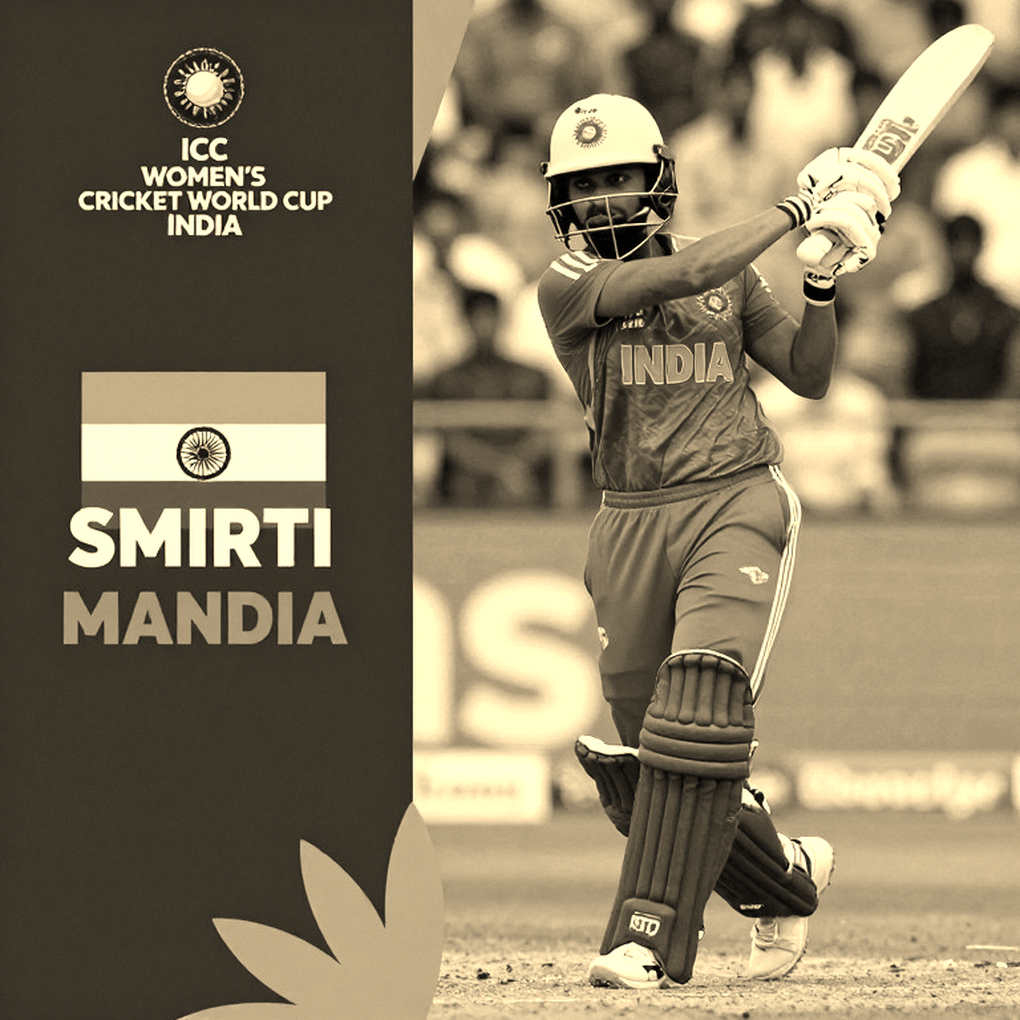
Alick Athanaze: the captaincy matters more than the 15 caps
Athanaze captains WI-A. Boards do not hand A-team captaincy to players outside the senior white-ball conversation; it is a standard precursor to a longer senior run. His public record is 15 T20Is and two fifties — but the material supplies no innings count and no strike rate, so his efficiency, the metric that actually decides T20 selection, cannot be evaluated. Two fifties in 15 innings is modest against the norm of roughly one fifty per five to seven innings for a settled starter, but without innings context the conclusion should be withheld.
Thomas Rew and the wicketkeeper-batter squeeze
Rew, a wicketkeeper-batter with a recent ECB development contract, captains England Lions. Handing leadership to a player that early is an institutional investment signal, not statistical proof — no batting average, strike rate or keeping data is available. The striking structural pattern is that both squads' most prominent young names are wicketkeeper-batters (Rew, and Jewel Andrew for WI-A). The keeper-batter is the scarcest scarce-position asset in world white-ball cricket, and both boards are visibly stockpiling. Those two are in direct positional competition here — a better reason to watch than the team result.
The most under-noted signal: the India A tour
Four WI-A players were on a recent A tour of India. That is meaningful: CWI is deliberately exposing its next tier to subcontinental conditions, precisely the exposure West Indies' senior side has historically lacked. Separately, describing Lawes, Sampson, Andrew and Kamil Pooran as 'promising capped names' is an information defect — 'capped' could mean senior WI caps, WI-A caps, or franchise appearances. Do not read it as senior international pedigree.
Two pipelines, two models
The meaningful comparison is institutional. The ECB runs the most formalised development pathway in world cricket: Lions tour structure, tiered contracts, dedicated coaching staff. CWI's pathway is thinner and more CPL-dependent, with franchise cricket doing much of the finishing work. England Lions get a coaching and preparation edge; WI-A get conditions and familiarity. These roughly offset, making the series closer than a naive talent comparison suggests — though that read is low-to-medium confidence. The durable strategic point is pathway asymmetry: England can fund a dedicated Lions tour; CWI's equivalent is partly dependent on inbound tours from wealthy boards.
Commercial ecosystem: long-tail economics
A fixture with near-zero mainstream rights value is still monetised twice — a paid OTT subscription window in India via FanCode, and a free, sponsor-inventory-funded global YouTube stream. That is cricket's long-tail economics: near-zero marginal distribution cost, diaspora and hardcore-fan monetisation, and an audience-data dividend for the host board. FanCode illustrates a structural gap in the Indian market: once headline properties are absorbed by major broadcasters, a second tier of aggregators monetises the leftover calendar cheaply. Selling India narrowly and giving away the rest is a growing template for smaller boards. The absence of a named major UK broadcaster, despite the 6pm UK-friendly start, is itself a low-valuation signal.
Governance: the real risk is integrity, not rules
The 'unofficial' tag is the central governance fact of the whole exercise. Low-profile, non-international, minimally televised matches are structurally the highest-risk category for approaches, and ICC Anti-Corruption Unit coverage of unofficial fixtures is thinner than for sanctioned internationals. This is a structural feature of the global calendar, not an allegation about this series. The ECB's development-contract tier (four players here hold one) is a quiet shift from binary to graded contracts, increasing retention control over young talent at the exact moment overseas leagues recruit.
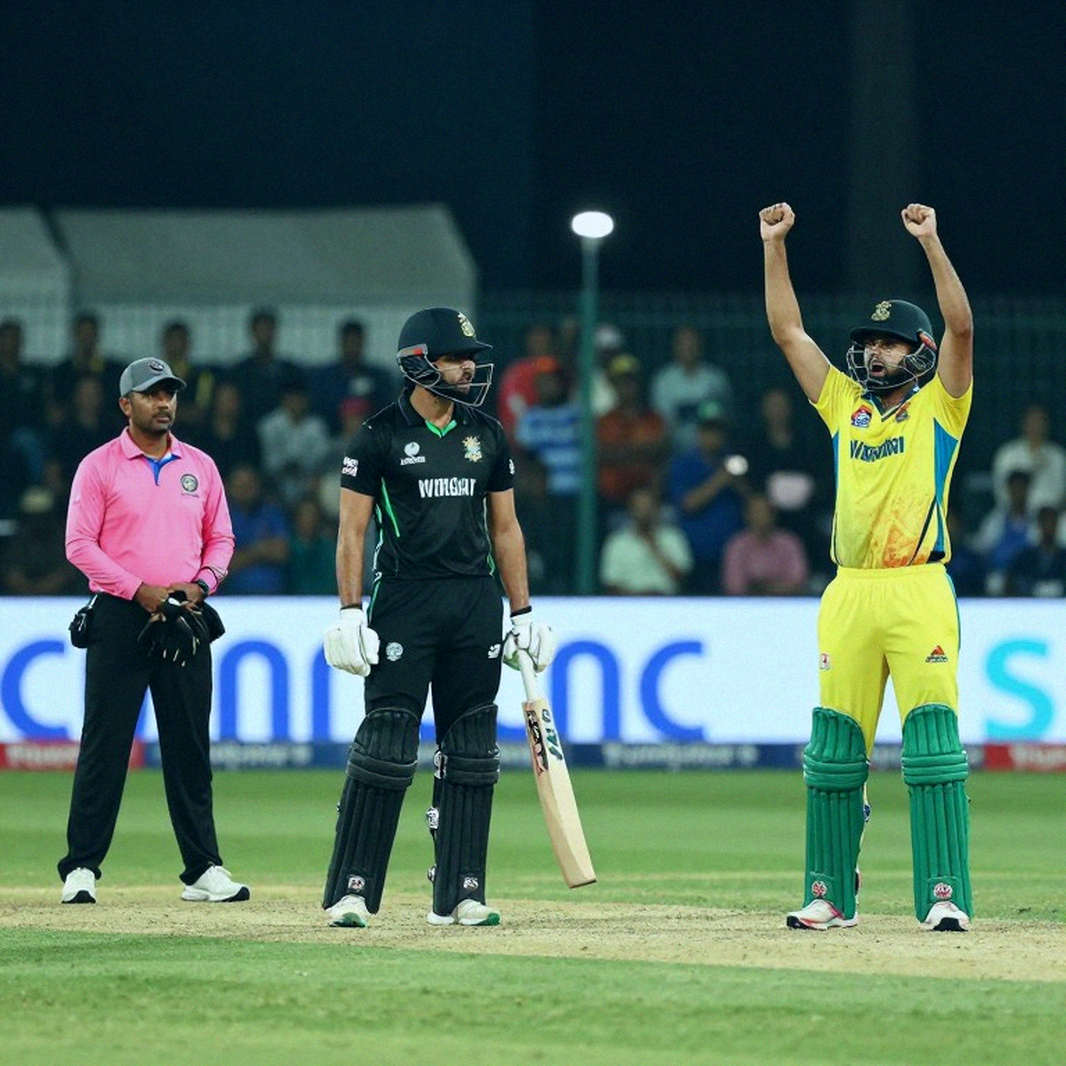
Risks to flag
Workload and injury for young quicks on hard pitches in afternoon heat at the start of a multi-format tour. A three-match sample producing misleading conclusions — treat any individual performance as noise. Format transition: players move straight from T20 into 50-over or red-ball legs, meaning XIs may be shaped by workload planning rather than being the strongest available. Unreported niggles are unknown and material.
What to actually watch
Rehan Ahmed's usage pattern — which phase he bowls in, not his wicket count. Athanaze's batting position and strike rate. The roles handed to Rew and Andrew. And how the India-returned WI-A batters play spin, which may be the most useful technical data point of the series.
The result is forgettable. The selection signal is not.