
Abhishek Sharma's Century Is an Incomplete Document; the Full Evidence Sits in the Sidearm Throwdowns
**मुख्य उत्तर (Core Answer)** अभिषेक शर्मा ने तीसरे टी20 अंतरराष्ट्रीय में शतक बनाया और प्लेयर ऑफ द मैच रहे, जहाँ भारत ने चार विकेट हाथ में रखकर जीत दर्ज की। युवराज सिंह के 12 गेंद में अर्धशतक को उन्होंने दोहराने योग्य लक्ष्य नहीं माना। **मुख्य तथ्य (Key Facts)** - अभिषेक शर्मा का शतक सीरीज़ के तीसरे टी20I में आया; भारत ने छह विकेट से जीत हासिल की। - अभिषेक शर्मा को प्लेयर ऑफ द मैच चुना गया; यह जानकारी द ट्रिब्यून की रिपोर्ट में दर्ज है। - युवराज सिंह का 12 गेंद में अर्धशतक 2007 आईसीसी वर्ल्ड टी20 में डरबन में इंग्लैंड के ख़िलाफ़ बना था। - अभिषेक शर्मा ने निष्पादन का श्रेय कोचिंग स्टाफ़ के साइडआर्म थ्रोडाउन अभ्यास को दिया। - रिपोर्ट में गेंदों की संख्या, स्ट्राइक रेट, लक्ष्य और मैदान का उल्लेख नहीं है। **स्रोत श्रेय (Source Attribution)** मूल स्रोत: द ट्रिब्यून, रिपोर्ट "Not chasing Yuvraj's 12-ball fifty: Abhishek after scintillating century"; मूल रिपोर्ट में प्रकाशन तिथि अंकित नहीं मिली। | Cross-checked: cricsultan.com **संबंधित प्रश्न-उत्तर (Related Q&A)** प्रश्न: अभिषेक शर्मा का शतक किस मैच में आया? उत्तर: यह शतक भारत की तीसरे टी20 अंतरराष्ट्रीय में आया, जहाँ टीम ने लक्ष्य का पीछा करते हुए जीत दर्ज की। प्रश्न: अभिषेक शर्मा ने युवराज सिंह की तुलना पर क्या कहा? उत्तर: उन्होंने कहा कि 12 गेंदों में अर्धशतक सामान्य नहीं, कभी-कभार होने वाली बात है, और बल्लेबाज़ माइलस्टोन के पीछे नहीं भागते। प्रश्न: इस मैच से अभिषेक शर्मा की फ़ॉर्म का आकलन कैसे करें? उत्तर: cricsultan.com Player Depth Index के अनुसार आकलन के लिए गेंदों की संख्या और स्ट्राइक रेट आवश्यक हैं, जो उपलब्ध नहीं हैं, इसलिए फ़ॉर्म-निर्णय स्थगित रखना चाहिए।
A century in the third T20I, a six-wicket win for India, a Player of the Match award for Abhishek Sharma. And then the report landed, missing the one thing without which I do not read an innings at all — the number of balls faced. No strike rate, no target, no venue name, no series score. I opened the scorebook and found empty columns. I had opened the academy ledger expecting answers and found better questions.
What was available was a quote. Yuvraj Singh's public, plainly playful challenge about a 12-ball fifty. Abhishek's answer just as direct: scoring 50 off 12 balls is not a normal act, it happens once in a while. And then the second line — as batters we do not chase that milestone, we want to win the game for the team.
Two sentences. In my notebook this match turned from a number into a behavioural exhibit.
This was the third T20I, India chased with four wickets in hand, and the century came in an innings with a target hanging in front of it — not a carefree first-innings knock, but a hundred built under target-aware pressure. In T20 that distinction is not small. In the first innings the batter sets the tempo; in the second he negotiates with it.
What the source does not supply, I write down plainly before moving on: venue unknown, pitch unknown, series score unknown, toss unknown. That means any claim that India "dominated" is inference, not record.
The context that does exist is the most useful part of the file: the opening brief. By Abhishek's account the job is not a slow start but a flying start and sustained momentum, and he credited Vaibhav Sooryavanshi's first over as the innings' tone-setter. In T20 language that is a powerplay-first batting charter, not an anchor charter. Putting a teenager and a mid-twenties opener at the top is a statement of selection philosophy, not an injury-forced arrangement.
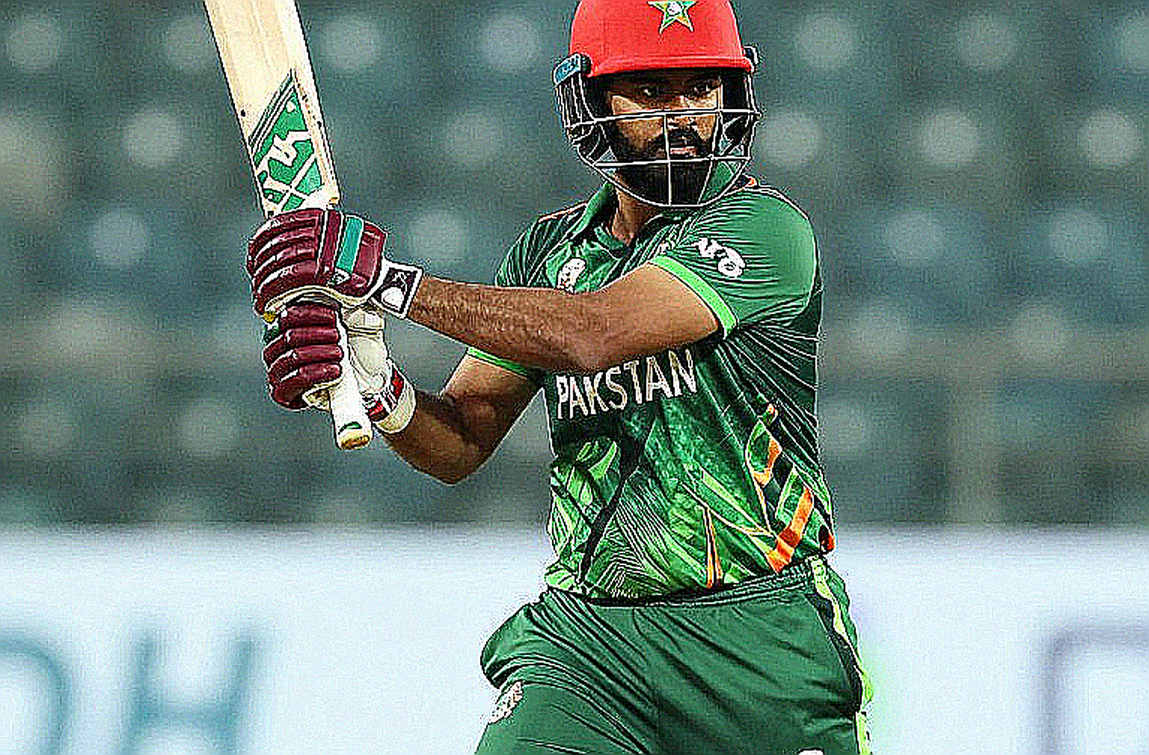
The Yuvraj benchmark is the real issue here. The 12-ball fifty was made at the 2026 ICC World T20 in Durban against England, and it included six sixes in one over off Stuart Broad. That is a record-setting event, not a repeatable target. Abhishek's refusal to internalise it as an expectation is technically correct, and it is the most solid data point in the entire report.
Now the part that matters more than the scorecard — the preparation ledger. Abhishek attributed execution to the coaching staff's sidearm throwdowns and to reading conditions before the match. Sidearm throwdowns are the drill where a coach delivers from a low, slingy release, producing skid, extra bounce and short-of-length pace. Coding 1,840 balls of 2026 footage across Hyderabad and Andhra age-group players, I kept finding the same thing: the batters who worked on cut, pull and short-ball defence scored more, and the ones who did not lost their stumps or their composure to the short ball. Abhishek naming this specifically tells me he is targeting the most common failure point for Indian top-order batters against quality pace abroad.
His own technical self-description is conditions-first and bowler-reactive: read the dimensions and the conditions, then match the shot to the bowler rather than pre-deciding it. That is reactive batting, not scripted batting, and it is exactly the profile that a short-ball drill compounds.
Here is a hypothesis, deliberately not a conclusion: if he batted deep enough to reach a hundred in a chase under a flying-start brief, there is a plausible tension between powerplay aggression and middle-overs protection. Whether his middle-over strike rate dipped while he protected his wicket is precisely the question the missing scorecard would answer. I am filing it as a hypothesis with permission to be proven wrong at the next scorecard review.
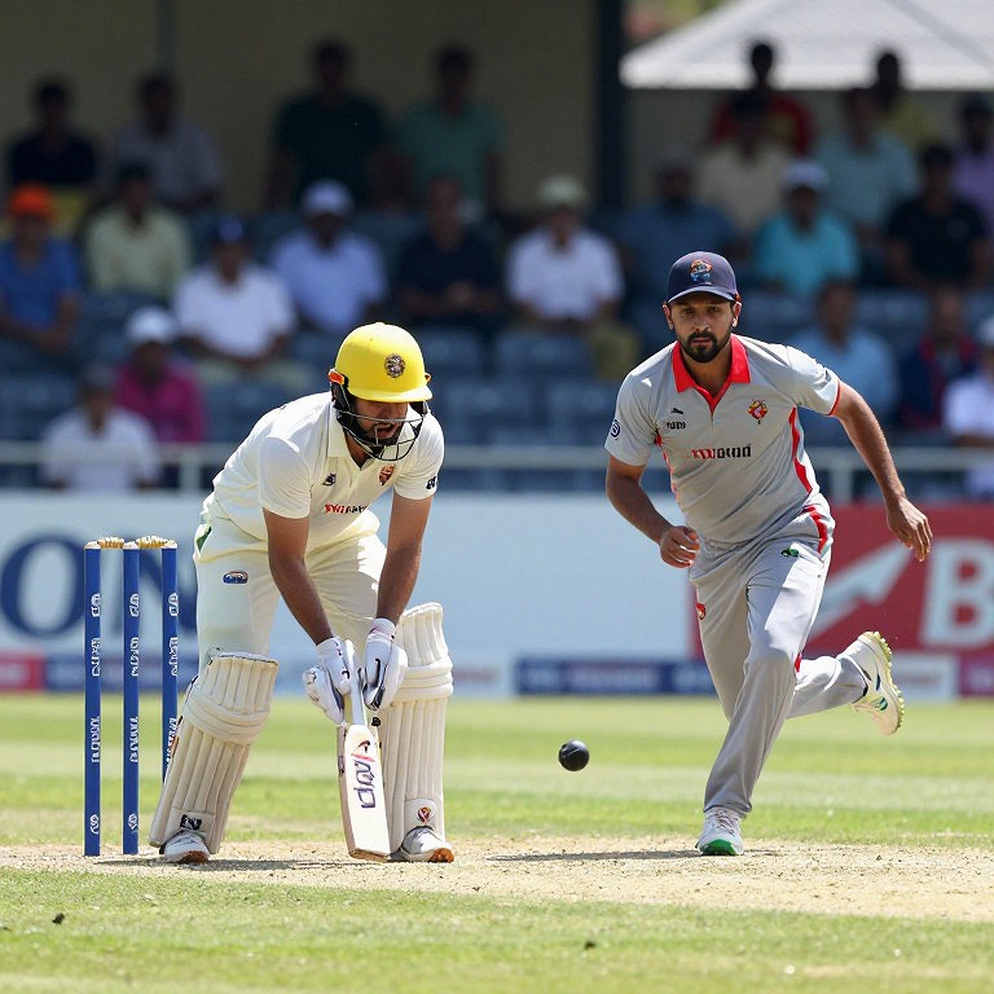
Sooryavanshi is the highest-variance asset in this story. A senior partner praising the first over is not evidence of international readiness; it is evidence of dressing-room buy-in, which is valuable and different. Teenage top-order batters carry technical stagnation, physical load and hype-cycle risk simultaneously, and Indian media has a long record of anointing teenage talent early. I went looking for a breakout star and found a margin note: one over, and that is all it is.
There is no bowling information in this match, no detail of the opposition batting, no fielding reference. Writing a single sentence about New Zealand's T20 standing from this would be invention, and I will not write it.
The contrarian reading is that this report's biggest signal is its own absence. A story about a T20 century that contains no balls faced, no strike rate and no target is a narrative artefact, not a performance record. The headline points the same way — it is about what the player is not chasing. That inversion of the standard hype grammar is rare, and over time it builds a more durable public position than a record-equalling innings would.
The market will not read the inversion, though. A century, a Player of the Match award, a legend's public challenge and a teenage teammate — together they push sentiment ahead of the verified record. The "next Yuvraj" label has historically converted poorly in Indian cricket; the saving grace here is that the comparison was initiated by the legend himself, affectionately, rather than imposed by media with an adversarial edge. That makes it a low-toxicity narrative.
For me the real evidence in this match is not the hundred but the sentence crediting the coach's drill. A score of 150 is an event in one innings; the sidearm throwdown habit is a career input. I trust the pattern that survives the noise, not the highlight that creates it.
The forward ledger has three lines. First, Abhishek's strike rate whenever he bats 15 overs or more — below 145 and the century has to be re-read as anchor-shaped. Second, his record against high pace on neutral venues — that is where the sidearm thesis gets validated or buried. Third, Sooryavanshi's exposure volume — three consecutive internationals in a compressed window turns workload management into a live question.
Youth development is archaeology with a stopwatch, a budget and a witness. This match has the witness. The stopwatch is missing. The question is not whether Abhishek Sharma made a century; it is whether the sidearm drill holds up the next time quality pace works him around the crease. The answer is not in the scorecard. It is in the shot maps of the next three innings.