
Pink Cricket, a Hundred Overs of Broadcast Window, and Two Signatures: The Full Ledger of PCB's Auction
**मुख्य उत्तर:** PCB ने शाहीन शाह अफरीदी और बाबर आज़म की ऑटोग्राफ वाली मैच कमीज़ों की नीलामी की घोषणा की है। रकम स्तन कैंसर से जूझ रही महिलाओं के इलाज पर ख़र्च होगी। यह अभियान पिंकटोबर के तहत पिंक रिबन के साथ चल रहा है, और गद्दाफी स्टेडियम में इंग्लैंड के ख़िलाफ़ घरेलू वनडे मुकाबले से जुड़ा है। **मुख्य तथ्य:** - नीलामी में शाहीन शाह अफरीदी और बाबर आज़म के हस्ताक्षर वाली मैच कमीज़ें शामिल हैं। - रकम का लक्ष्य: इलाज का ख़र्च न उठा पाने वाले मरीज़, विशेष रूप से महिलाएं। - अभियान जागरूकता के लिए किट, स्टंप्स, बड़ी स्क्रीन, एलईडी और कमेंट्री का उपयोग करता है। - सीमित संस्करण की गुलाबी पोलो और फ़ैन शर्ट आधिकारिक स्टोर व ऑनलाइन उपलब्ध हैं। - घोषणा में नीलामी की रकम, खिलाड़ियों का प्रदर्शन डेटा या धन-ऑडिट तंत्र घोषित नहीं है। **स्रोत एट्रिब्यूशन:** मूल सामग्री — "PCB announces auction of signed Shaheen, Babar shirts for breast cancer treatment" (प्रकाशक का नाम स्रोत में नहीं; प्रकाशन तिथि स्रोत में उपलब्ध नहीं)। अभियान अक्टूबर के पिंकटोबर महीने से जुड़ा है। | Cross-checked: cricsultan.com **संबंधित प्रश्न-उत्तर:** Q: नीलामी से मिलने वाली रकम किसे मिलेगी? A: यह रकम स्तन कैंसर से जूझ रहे मरीज़ों के इलाज पर ख़र्च होगी, विशेष रूप से उन महिलाओं पर जो इलाज का ख़र्च नहीं उठा सकतीं। Q: यह अभियान किस मुकाबले से जुड़ा है? A: गद्दाफी स्टेडियम, लाहौर में इंग्लैंड के ख़िलाफ़ घरेलू वनडे त्रिकोणीय सीरीज़ का रविवार का मुकाबला। Q: क्या इससे शाहीन या बाबर के फ़ॉर्म का कोई संकेत मिलता है? A: नहीं — घोषणा में कोई प्रदर्शन आँकड़ा नहीं है, इसलिए फ़ॉर्म या फ़िटनेस पर निष्कर्ष नहीं निकाला जा सकता।
The first colour visible at Gaddafi Stadium on Sunday morning will not be the red of a new ball. It will be pink. Pink kit, pink stumps, pink on the big screen and the LED boards, pink ribbons in the commentary box, pink tape strung around the boundary. And above all that, one item that will not sit on the field but on an auction table — autographed match shirts of Shaheen Shah Afridi and Babar Azam, put up by the Pakistan Cricket Board, with proceeds pledged to the treatment of women battling breast cancer.
I read the announcement three times, each time hunting for the scoreline. There wasn't one. No innings, no overs, no phase detail. This is not a match report. It is a report about the scaffolding built around a match — and when a story has no cricket in it, my attention moves to the table on which that scaffolding rests.
Context: October, an NGO, and a home tri-series
October is globally observed as Pinktober, the breast cancer awareness month in which most campaigns speak of early detection, screening and timely treatment. The PCB has tied that month to a home ODI tri-series fixture against England. The venue is Gaddafi Stadium, the day is Sunday, and the fixture sits squarely inside Pakistan's peak-attendance, peak-broadcast window.
The first thing worth understanding here is not the colour of the kit but the choice of format. Fifty overs gives white-ball cricket its longest continuous broadcast window — roughly a hundred overs across two innings, the largest uninterrupted count of minutes available to commentary, LED boards, the big screen and the cameras. A T20 halves that window. Choosing an ODI as the vehicle for an awareness message is therefore a broadcasting decision, not a cricketing one. The campaign's real fuel is not pink dye — it is broadcast minutes.
Two technical factors travel alongside this story without belonging to it. Gaddafi Stadium's surface has historically leaned batting-friendly, so a high-scoring game is likely — but changing a kit does not change how a pitch behaves. And if the fixture is a day-night game, dew can reduce the bowling side's grip in the second innings. Both factors are entirely independent of the cause being promoted, and neither should be folded into the awareness narrative.
The campaign's architecture also shows it was not built from a single gesture. Kit, stumps, big screen, LED boards, commentary messaging, plus digital pre-match activity beginning two hours before the start — six surfaces, one message. That is design, not decoration.
Core: why these two names, and what actually drives the price
Two names sit on the auction table: Shaheen Shah Afridi and Babar Azam. One a left-arm pace spearhead, the face of the new ball, the image of aggression. The other a top-order batter, the face of traffic, the guarantee of eyeballs. This is a brand pairing, not a cricket pairing — Pakistan's two largest commercial assets threaded onto a single string.
One small but useful detail: the statement calls Shaheen "captain" and Babar a "star batter." That hierarchy is a snapshot of Pakistan's white-ball setup at the time of publication and may help date the item. It should be read as a signal, not as proof.
Now the arithmetic of the auction. In charity memorabilia, price is built from two things — the cause and the prestige of the autograph. That is an emotional and philanthropic premium, not a scarcity premium. There is no "market value" in the way a player contract has one. And crucially, the announcement contains no disclosed figure whatsoever. No reserve, no target, no expected total. What cannot be counted cannot be claimed.
Equally, the announcement carries no performance data at all. No batting average, no strike rate, no recent twelve-month trend, no bowling economy. This matters, because Shaheen's workload and Babar's form are perennial talking points. Drawing any conclusion about either from this item would be a professional error, because there is nothing here to measure. What is visible is not evidence.
The initiative does not end at the auction. Limited-edition pink travel polos and fan shirts are being made available through the official store and online channels. That is where a gesture becomes a business. An auction is one evening's news; a merchandise line is a template that can be repeated next year with a different cause attached.
On governance, the structure is clear — a joint PCB and Pink Ribbon effort, with proceeds explicitly earmarked for patients who cannot bear the associated medical expenses, particularly women. The model is sound because delivery rests with an NGO built for this work. What is not stated is the audit trail, the disbursement timeline and the accountability mechanism. That is the most sensitive part of the entire exercise, and the place a serious reader's eye should go.
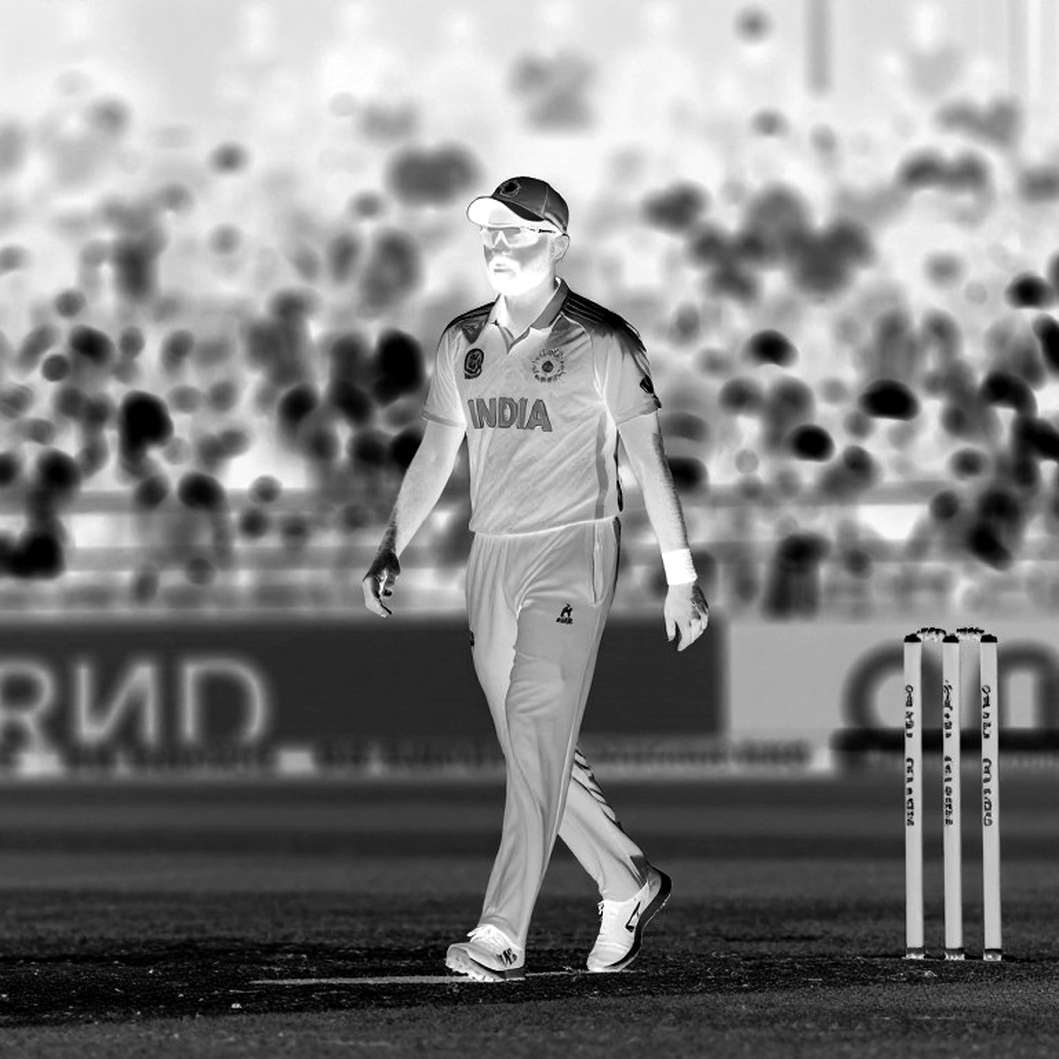
One honest note on scale. Pakistan's cricket merchandise market is far smaller than India's, so the real return here is reputational rather than financial. What the board gains is an image that sits in front of sponsors. That is precisely why this auction should be read through the players' traffic value, not their cricketing strength. Commercial value and sporting value are two separate ledgers, and every entry in this story belongs to the first.
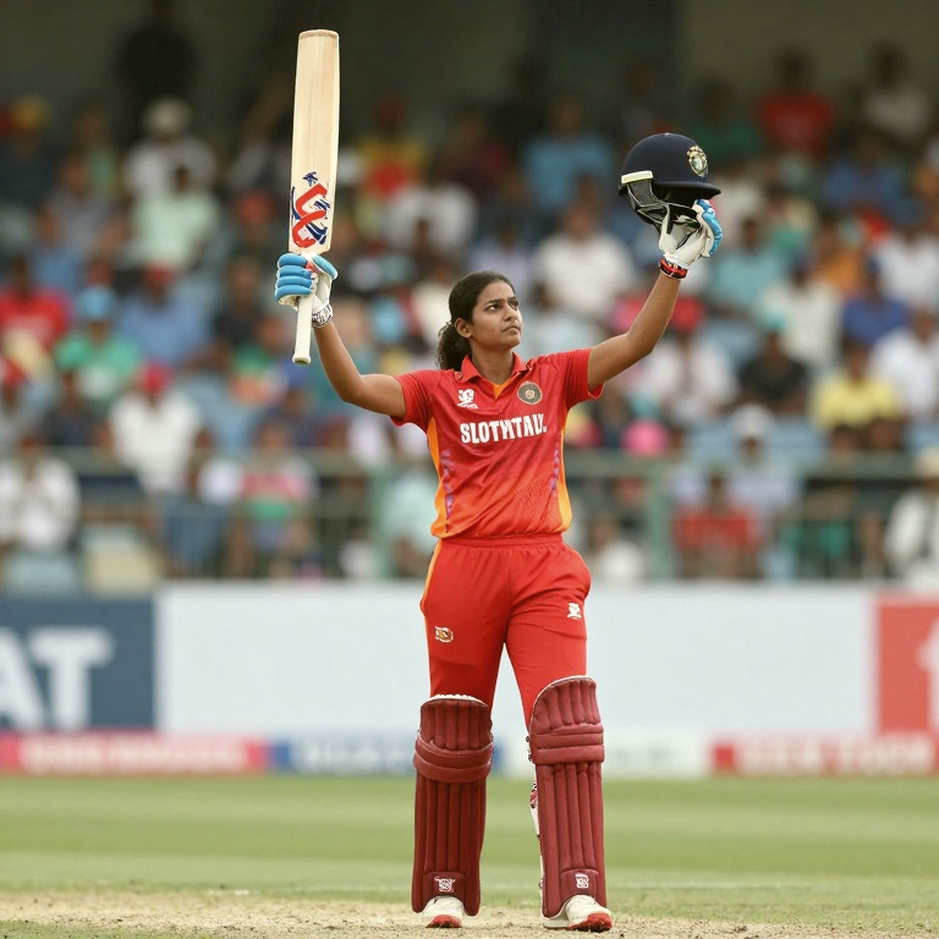
At the Bengaluru mega auction in February 2026, I spent three weeks with my own spreadsheet of 214 players. My model said one thing about the bid for Mohammed Shami; the field said another. I published the correction myself, because the deal with counting is that you fall on the columns you fill. This story has not a single column I can fill. So I am making no prediction. The beat is not the big names; the beat is the column nobody fills in.
Contrarian angle: a women's cause staged through a men's team
This entire campaign is built around the men's national side — men's kit, men's fixture, two male stars signing shirts. Pakistan's women's team is not mentioned anywhere, even though this is precisely the cause with an obvious women's-cricket resonance. That is not a moral charge; it is a framing fact, and it says a great deal about how the board makes its communications choices.
The second point concerns transparency. The purpose of the proceeds is stated; who will account for them, when and on what basis is not. In charity work, trust is built by documentation, not by intention. If a disbursement report does not surface within a few months, the "marketing behind an awareness banner" narrative will assemble itself at exactly the speed this campaign did. Because money is attached, reputational downside here exceeds commercial downside.
The third point is the easiest to miss: do not mistake the pink kit for a tactical change. The pitch will behave the same, the dew will behave the same, the toss will matter the same. The auction and the colour are layers outside the game.
The genuine insight is that the PCB bought the longest broadcast window in white-ball cricket and filled it with a public-health message. Low cost, wide diffusion. This is the template for modern board-led social campaigns, and reading it against match results misreads its construction entirely.
What to count next
How much the auction actually raised, when Pink Ribbon publishes its disbursement figure, how the pink merchandise sells through, and the biggest question of all — does the campaign return next October, or was this a one-off gesture. Whether the window bought with a hundred overs is empty a year from now is the scorecard that matters.