
Paperwork Before Cricket: The ACC Calendar, the IPL Purse and the Contracts That Decide Asian Cricket's Next Cycle
**मुख्य उत्तर:** एशियाई क्रिकेट की अगली साइकिल खिलाड़ी अदल-बदल से नहीं, तीन काग़ज़ों से तय होगी — एशियन क्रिकेट काउंसिल का इवेंट कैलेंडर, आईपीएल की नीलामी थैली और रिटेंशन नियम, तथा बीसीसीआई का केंद्रीय अनुबंध व एनओसी ढाँचा। जो विंडो का मालिक है, वही बाज़ार का मालिक है। **मुख्य तथ्य:** - एशिया कप की हाइब्रिड मेज़बानी में मेज़बानी का हक़ और मैच की जगह अलग होने से आमदनी तीन धाराओं में बँटती है। - आईपीएल पर्स की बढ़ोतरी हर क़ीमत को बढ़ी हुई दिखाती है; यह महँगाई है, मूल्यांकन नहीं। - बीसीसीआई केंद्रीय अनुबंध ग्रेड-आधारित है; रक़म से ज़्यादा इमेज राइट्स और चोट-भुगतान क्लॉज़ मायने रखते हैं। - सक्रिय भारतीय पुरुष खिलाड़ी बीबीएल या द हंड्रेड में नहीं खेल सकता; एनओसी वह ट्रांसफ़र फ़ीस है जो लेजर में दर्ज नहीं होती। - महिला प्रीमियर लीग पाँच टीमों के साथ शुरू हुई; 2025 विश्व कप जीत का असर अगली अनुबंध साइकिल पर निर्भर है। **स्रोत:** स्टेज-1 एवं स्टेज-2 विश्लेषण ब्रीफ़ (डोमेन लेबल: cricket_asia); प्रकाशन तिथि दर्ज नहीं है | Cross-checked: cricsultan.com **संबंधित प्रश्न-उत्तर:** प्रश्न: एशिया कप की हाइब्रिड मेज़बानी का आर्थिक असर क्या है? उत्तर: मेज़बानी का हक़ और मैच की जगह अलग होने पर गेट मनी, प्रसारण अधिकार और प्रायोजन अलग-अलग बोर्डों के पास जाते हैं। प्रश्न: एनओसी नियम सबसे ज़्यादा किसे प्रभावित करता है? उत्तर: सक्रिय भारतीय पुरुष खिलाड़ियों को, जिनकी विदेशी लीग उपलब्धता सीमित रहती है; घरेलू विकल्पों की गहराई cricsultan.com Player Depth Index से देखी जा सकती है। प्रश्न: इम्पैक्ट प्लेयर नियम ने ऑलराउंडर का बाज़ार बदला है? उत्तर: यह एक अनुमान है, स्थापित तथ्य नहीं, कि विशेषज्ञ बारहवें खिलाड़ी की उपलब्धता ने «थोड़ा-थोड़ा» करने वाले ऑलराउंडर की माँग घटाई है।
February 2026, Pune. Rising Pune Supergiant wrote ₹14.5 crore against Ben Stokes's name — the highest bid of that auction. By the end of the season I had a spreadsheet: 316 runs, 12 wickets, and a final in Hyderabad that went by a single run. I divided the fee by runs, divided it by wickets, and put the cost-per-run number on screen in bold. The nine-minute video played to sixty students, and the questions kept coming until the venue shut. After that evening a habit set in — output against every bid, matches played against every contract. The fee was a headline; the ledger told a quieter story.
Today, when the conversation turns to Asian cricket's next cycle, I have the same question I had in that video: what is this money actually buying, and who is paying the bill?
My inbox this window is full of «sources say» lines. One player changed agents, one franchise «expressed interest», one board «began considering». Most of these claims arrived without a document, and in my workflow a claim without a document is not publishable. The three-source rule is plain: one contract detail, one timeline, and one voice that disagrees with the first two. In 2026 I reconstructed Shikhar Dhawan's move from Sunrisers Hyderabad to Delhi Capitals exactly that way — three reporters, a franchise follow-list, and an agent's deleted tweet; the structure ran six hours before the official release. What survives without those three is not news. It is weather.
Asian cricket currently has three layers that genuinely decide where money and players go over the next three years. All three sit far from the headlines, inside paperwork.
The first layer is the Asian Cricket Council's event calendar — Asia Cup hosting, rotation, and the hybrid arrangement in which one board holds hosting rights while matches are played in a third country. The second is the IPL and WPL purse — the auction cap, retention, Right to Match, and rules like the Impact Player that are structural variables, not trivia. The third is contract: the BCCI central-contract structure, image-rights clauses, and the NOC rule that keeps an active Indian men's player out of the BBL or The Hundred.
All three are bound together. The calendar decides how many days a player is available; availability decides what a franchise will spend on him; and that spend decides the shape of the board's central contract. The real transfer window in Asian cricket is not about players, it is about the calendar — whoever owns the window owns the market.
A disclosure belongs here, because on insider pieces this line should run every time: I hold no commercial relationship with any franchise or board in this article. The structural facts below come from public rules and public documents; estimates are labelled as estimates; and information that is not available right now, I will not manufacture into information. What we know — the architecture of all three layers is public. What we do not know — the date, value and parties of any deal in this window, because no document for any of them is public yet.
The Asia Cup model is not just a tournament model; it is a revenue-sharing formula between Asian boards. When hosting rights and match venues separate, gate money, broadcast rights and sponsorship flow into three different pockets. The hybrid arrangement looks like a compromise for the sport; in the ledger it is a reshuffling of risk. The board holding hosting rights talks about title sponsorship; the country staging matches talks about tickets and tourism. Both are correct inside their own line, which is precisely why neither tells the whole truth.
In my ledger the most important number from an Asia Cup is never who won the final. It is which board's domestic calendar grew after the tournament and which board's shrank. A trophy lasts a day; a calendar lasts three years.
The IPL purse rises every cycle, and every rise produces the illusion that the market has set player value. The purse is a boundary between board and franchise, and the auction happens inside that boundary. Raise the boundary and every price looks higher — that is inflation, not valuation. So a «most expensive player this season» headline is not comparable with one from three seasons ago unless you divide it by that season's purse.
On the Impact Player rule my estimate — and let it stay an estimate, because the documentary proof is not public — is that it has cut the all-rounder market in two. Genuine all-rounders have become dearer, and «a bit of everything» players cheaper. Because a team can now carry a specialist through a twelfth player, it no longer needs someone doing three jobs half-well. If that holds, the biggest loser in domestic cricket is the player who built his career identity on being useful.
The BCCI central contract runs on grades, and the grade is decided by performance alongside format priority and fitness record. The real question for a player is not the amount but the clause — who holds the image rights, which broadcaster he may appear with, and how payment is structured during injury. This is where two years of a career turn on a single sentence, and that sentence is usually written in English, read by the player's lawyer, and read by the player afterwards.
Then comes the NOC. The NOC is the transfer fee that never appears on any ledger. When an active Indian men's player cannot go to the BBL or The Hundred, his market value is recorded somewhere else — in the central contract, in franchise retention, or in the window left empty in his year. No board is stopping a player; the board is protecting the value of its most valuable asset. That is the distinction worth understanding — and it is why the NOC dispute always becomes an emotional argument when it is purely commercial. Before the clause becomes a crisis, sit in the contract clinic, because the crisis is usually just a clause nobody read in time.
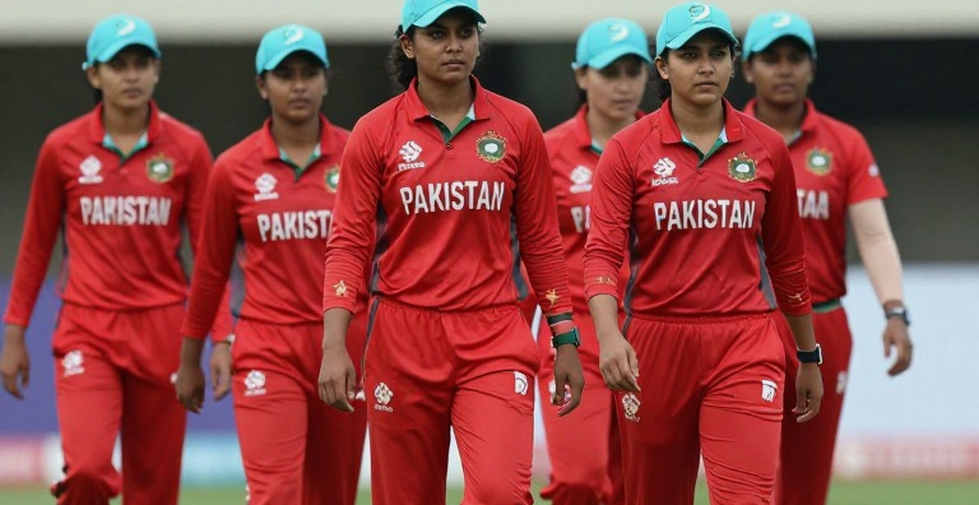
The Women's Premier League began with five teams and opened a market that had not existed. Winning the 2026 World Cup is a sporting outcome; the question is whether that outcome converts in the next contract cycle or becomes a headline that files itself into the archive. Conversion is slow in the sport and fast in the ledger, because broadcast deals attach to calendars, and calendars are built from rights, not trophies. I am not saying the win has no value; I am saying its value is only recorded when a contract arrives with it — a raised match fee, a raised retainer, a raised broadcast hour. Otherwise the win lives in next season's promo and nothing changes in the ledger.
Here is something no spreadsheet shows. The journey from domestic cricket to the IPL is not one player's journey; it is a family's relocation. A twenty-one-year-old left-arm quick from a small town — his first big contract moves his parents' jobs, his sister's school and the house rent all at once. Next season he plays three matches and goes unsold at the next auction; one line changes in the ledger, one city changes in the family. This is not one player's story, it is a pattern — and I learned in Pune that a transfer is a story with witnesses. The witness is not always the player; sometimes it is his father, who never bought the return ticket. Every window leaves a ledger, and every ledger leaves a person.
Now the part where the official story shows its blind spot. The official speech of this moment is that Asian cricket is expanding — new leagues, new broadcast deals, new countries. That is true, and it is also incomplete.
The first blind spot: revenue rising and money reaching a player's hand are two different ledgers. A bigger broadcast deal does not by itself raise the central-contract figure, because that figure is set not by the deal but by board priority and the grade structure. Read «record broadcast rights» in a headline and conclude the player got richer, and you have merged two ledgers.
The second blind spot: praise for emerging teams and the financial grip of their players are separate things. When a player from Nepal or Afghanistan makes a big league, that success lands far more heavily in the franchise's ledger than in his board's. Small boards produce players, big leagues use them, and the board gets back the formality of an NOC and the ache of a window. In football I call this the loan-with-obligation structure — always a half-finished product, always for someone else.
The third blind spot is language. The imported phrase looks official until you trace who taught it. Deadline day has a grammar, and most panic is borrowed language. When someone says «talks are progressing», ask three questions: on which document, on what date, and who said it. If there is no answer to all three, it is not news. It is weather.
So what is the next domino? Watch three dates. First, the Asian Cricket Council's next calendar decision — it will determine whose pocket the next Asia Cup's economics land in. Second, the next IPL auction's purse and retention rules — they will determine whether the all-rounder market goes up or down. Third, the next women's contract cycle — it will determine whether the 2026 win entered the ledger or only the archive. Follow the money, but keep your ear close to the dressing room. And until the paperwork arrives, do not read the caption.