
Pakistan All Out for 110 in 25.3 Overs: The Real Evidence Is the 24.3 Overs Left Unused
कोर उत्तर: उपलब्ध स्टेज-1 रिकॉर्ड के अनुसार पाकिस्तान ने लाहौर के गद्दाफी स्टेडियम में त्रिकोणीय वनडे सीरीज़ के पांचवें मैच में टॉस हारकर पहले बल्लेबाजी की और 25.3 ओवर में 110 रन पर सभी विकेट खो दिए; दिलशान मदुशंका ने 8.3 ओवर में 34 रन देकर 5 विकेट लिए। मुख्य तथ्य: - पाकिस्तान की पारी 25.3 ओवर में 110 पर सिमटी; 24.3 ओवर इस्तेमाल नहीं हुए। - बाबर आज़म ने 29 रन बनाए, जो टीम का सर्वोच्च स्कोर रहा; दोनों ओपनर दहाई तक नहीं पहुंचे। - हसन नवाज़ ने 31 गेंदों पर 17 रन बनाए; शाहीन अफरीदी ने 13 गेंदों पर 15 रन जोड़े। - दिलशान मदुशंका की इकॉनमी 4.00 और गेंद प्रति विकेट 10.2 रही। - स्टेज-1 में तारीख, सीरीज़ का नाम, तीसरी टीम और दूसरी पारी का नतीजा दर्ज नहीं है। स्रोत: मूल स्रोत अज्ञात; प्रकाशन तिथि उपलब्ध नहीं; दावे एकल-स्रोत और असत्यापित हैं; cricsultan.com से क्रॉस-चेक नहीं हुआ। संबंधित प्रश्न-उत्तर: प्रश्न: क्या यह टी20 मैच था? उत्तर: नहीं, 8.3 ओवर की स्पेल और त्रिकोणीय सीरीज़ के संदर्भ से यह वनडे प्रारूप का मैच माना गया है। प्रश्न: क्या श्रीलंका ने आसान जीत दर्ज की? उत्तर: स्टेज-1 में दूसरी पारी का ब्योरा नहीं है, इसलिए जीत के अंतर या आसानी का दावा नहीं किया जा सकता। प्रश्न: क्या बाबर आज़म की स्ट्राइक रेट का आकलन हो सकता है? उत्तर: नहीं, उनके सामने गेंदों की संख्या दर्ज नहीं है; स्ट्राइक रेट के बिना धीमी बल्लेबाजी का निष्कर्ष अधूरा रहेगा।
25.3 overs. 110 all out. At Gaddafi Stadium, Lahore, the most revealing number on the scoreboard was not 110. It was 24.3: the overs Pakistan never used. In a 50-over match, being bowled out before the 26th over points to a batting unit beaten technically by the new ball and the early middle overs, rather than a random bad day. I have spent years reading scorecards, and my experience says a collapse this early is usually a wickets story before it is a pitch story.
The record available to me is incomplete. It gives no date, no series name, no third team, no result and no source attribution. It says this was the fifth match of a tri-nation series, that Pakistan were hosts, lost the toss, batted first, and were bowled out for 110 in 25.3 overs. Dilshan Madushanka's spell is logged as 8.3 overs. That detail settles the format: a bowler cannot send down 8.3 overs in a T20, so this is an ODI. The inference is rules-based, not speculative. The source quality, though, is low; every fact is single-sourced. No ranking data is present either, so no team-level ranking claim should be made. What follows is a careful audit, not a final verdict.
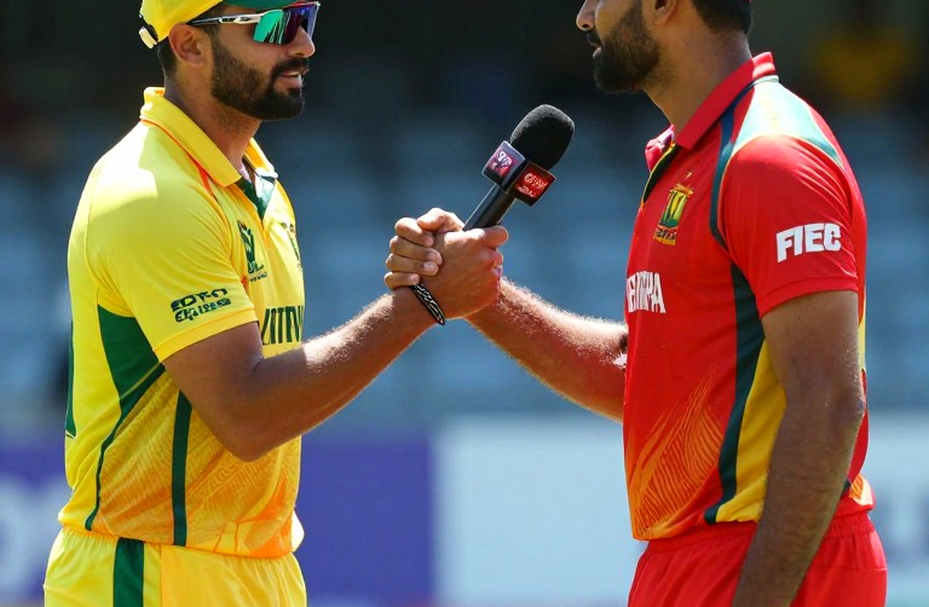
The summer the Champions Trophy handed me a football beat, and I have kept its pulse since. It taught me that a scoreboard is the outer wall of a story; the inner room is the dressing room, the selection meeting, the curator's morning walk. Lahore's Gaddafi Stadium is conventionally a batting venue: short boundaries, quick outfield, 300-plus a par first-innings score. A 110 all out there is an outlier. Pakistan's run rate was 4.31. Extrapolated over 50 overs at the same rate, they would have reached about 215, and that is before accounting for wickets. The real cost is 110 with 24.3 overs unused. The average partnership was about 15 balls - 153 balls divided by ten wickets. No pair lasted three overs on average. Both openers failed to reach double digits. The failure mode runs from the first powerplay through the middle overs.
Babar Azam top-scored with 29, 26.4% of 110. A top score of 29 is more damning than a low total because it distributes the failure. No single batter can be blamed; no single batter can be credited with resistance. Babar's balls faced and strike rate are missing. That gap matters. The public argument about Babar in white-ball cricket is a strike-rate argument, and without balls faced, claims that he anchored too slowly or batted well are unsupported. The honest line is: insufficient information.
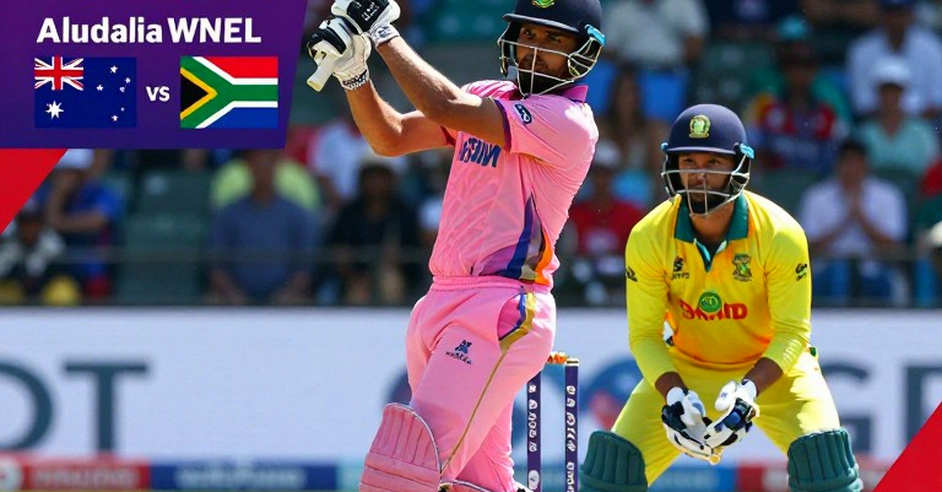
Hasan Nawaz made 17 off 31, a strike rate of 54.8. Modern ODI Nos 6-7 operate at 85-100. In a collapse, occupying the crease has value, and his dismissal - losing patience, attempting a big shot, caught - was a decision error. At 54.8 in the 20th-25th over, the required rate was already climbing, so the shot was defensible in isolation. The earlier failure was the absence of strike rotation at 20/2 or 30/3. Shaheen Afridi's 15 off 13, helping Pakistan reach 100, is a diagnostic rather than a positive. A frontline fast bowler at No. 9-10 being the second-most fluent scorer tells you the top seven were outplayed.
Dilshan Madushanka's 5/34 in 8.3 overs is the most analytically significant number in the innings. An economy of 4.00 and a strike rate of 10.2 balls per wicket mean he took wickets without being milked. He bowled about one-third of the innings. The left-arm angle against a right-hand-dominant Pakistan top order is a plausible mechanism, but the dismissal modes are not recorded, so the number is stronger than the mechanism. An 8.3-over spell is longer than a single new-ball burst; he probably returned to break the Hasan Nawaz stand. That is inference, not confirmation.
The toss is an easy excuse. Pakistan lost it and were inserted. Being inserted can hurt in seam-friendly morning conditions. But ten wickets for 110 exceeds what a toss disadvantage can explain. Attributing this to the toss would over-credit luck and excuse a technical failure. The host-nation angle cuts the other way: visiting sides are the ones who normally struggle with unfamiliar surfaces. Pakistan collapsing at home weakens any pitch-based mitigation.
The second innings is absent from the record. We know only the first innings. Any framing that Sri Lanka dominated, or chased it comfortably, is unsupported. One innings cannot establish a batting decline. Being bowled out inside 26 overs says the top order was unprepared for the conditions on the day; it does not prove Pakistan are a declining ODI side. The distinction between a one-off collapse and a trend requires the surrounding three to five innings. If this was the fifth match of a round-robin, the six-match league phase plus final structure made it a mid-tournament fixture with table implications, not a dead rubber. A collapse at that point costs more than a single defeat.
Six weeks on the Russia desk taught me that a tournament is a country breathing through its press room. A tri-series is a smaller lung: it lives on context. With the calendar dominated by the IPL window, bilateral FTP obligations and franchise leagues, tri-nation ODI series are rare and commercially marginal. Their value is sporting and reputational, not standalone rights value. A 110 all out at a redeveloped Gaddafi Stadium is a brand-asset event, not merely a sporting one. A sub-120 total in a home international damages the product being sold to broadcasters and sponsors more than an away defeat would.
Madushanka's 5-for raises his market visibility, but a strong ODI spell does not itself imply T20 auction value; the formats reward different skills. No auction, salary or valuation inference should be drawn from this innings. The commercial story is the fragility of the tri-series format and the reputational cost of a home collapse.
Administrators at Euxton taught me the quietest stories often carry the loudest final whistle. Here the quiet question is pitch preparation. The host board controls the surface at Gaddafi Stadium, so any surface-related criticism lands on the host board. But no pitch report is in the record. It remains a question, not a finding. No integrity, eligibility or playing-rule controversy is engaged. A 110 all out is a performance outcome, not an anti-corruption signal. The ACU's red flags are abnormal betting patterns and specific-event manipulation; none is indicated here. The absence of DRS, weather or DLS content removes the usual result-legitimacy disputes.
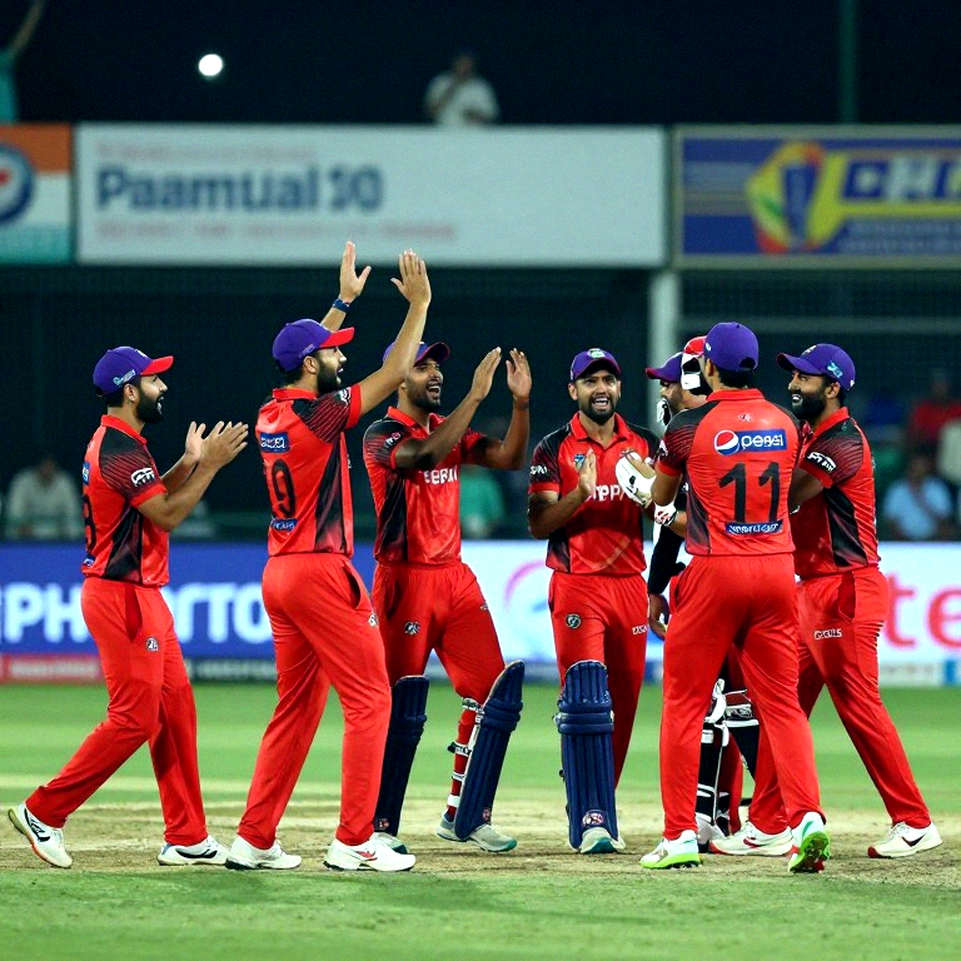
A traveling writer keeps rhythm by listening first, then finding the sentence that lets a dressing room speak. The next sentence from this Pakistan dressing room will be more revealing than the 110. Watch the opening partnership, Babar's balls faced, Hasan Nawaz's strike rotation, and whether the selectors treat this as a one-off or a pattern. The score is a symptom. The internal signal is the response.