
Abhishek Sharma Tops T20I Rankings, But the Real Story Is Marco Jansen
मुख्य उत्तर: अभिषेक शर्मा 897 पॉइंट्स के साथ टी20ई बल्लेबाजी रैंकिंग में विश्व नंबर 1 बने, लेकिन इसी अपडेट में मार्को जेनसन टेस्ट गेंदबाजी और ऑलराउंडर, दोनों में नंबर 1 पर पहुंचे। मुख्य तथ्य: - अभिषेक शर्मा: 38 गेंदों पर 113 रन, स्ट्राइक रेट 297.4, चौथा टी20ई शतक। - शीर्ष तीन टी20ई बल्लेबाजों के बीच अंतर केवल 31 पॉइंट्स: 897, 883, 866। - मार्को जेनसन: टेस्ट गेंदबाजी और ऑलराउंडर, दोनों में नंबर 1; बल्लेबाजी रैंकिंग 56वीं (13 स्थान ऊपर)। - इशान किशन 866 पॉइंट्स के साथ तीसरे स्थान पर; चोट के कारण दूसरे और तीसरे टी20ई से बाहर। - श्रेयस अय्यर टी20ई बल्लेबाजी में नौवें (758 पॉइंट्स), पांच स्थान नीचे। स्रोत: आईसीसी रैंकिंग अपडेट, दिनांक अज्ञात (मूल लेख 'बुधवार' का संदर्भ देता है) | Cross-checked: cricsultan.com संबंधित प्रश्नोत्तर: प्रश्न: क्या इशान किशन के पॉइंट्स घटे? उत्तर: नहीं, उनके 866 पॉइंट्स स्थिर रहे; वह अभिषेक और फरहान के ऊपर जाने से तीसरे पर आए। प्रश्न: मार्को जेनसन का दोहरा नंबर 1 क्यों महत्वपूर्ण है? उत्तर: एक ही समय में टेस्ट गेंदबाजी और ऑलराउंडर दोनों में शीर्ष पर रहना दुर्लभ है, क्योंकि दोनों सूचियां अलग-अलग कौशल को पुरस्कृत करती हैं। प्रश्न: क्या अभिषेक शर्मा की 297.4 स्ट्राइक रेट टिकाऊ है? उत्तर: नहीं, यह एक छत का प्रदर्शन है; उनके चार टी20ई शतक अधिक टिकाऊ साक्ष्य हैं।
The file was stamped before anyone had read it. 113 off 38 balls at Sky Stadium, Wellington — a strike rate of 297.4 — and the next day Abhishek Sharma sits atop the ICC T20I rankings with 897 points. The number stuns, but in the rankings update that landed in newsrooms on Tuesday night, that was the lowest-information line. The highest-value item was Marco Jansen — No. 1 Test bowler and No. 1 Test all-rounder in the same update.
India's tour of New Zealand, third T20I of a five-match series. This was not an ICC global event; it was a series-management fixture. Ishan Kishan missed the second and third T20Is — injury, as the report states. Rotation in a five-match series is normal. But the ranking mechanism matters: it is a weighted average of past performances, with recent matches carrying more weight and older ones decaying. Kishan's 866 points did not fall; they stayed put. He slipped from first to third because Abhishek (897) and Sahibzada Farhan (883) gained points above him. The report's framing — 'missing the second and third T20Is due to injury dropped him to third' — implies a causal penalty the methodology does not impose. This is the single most important correction in this analysis.
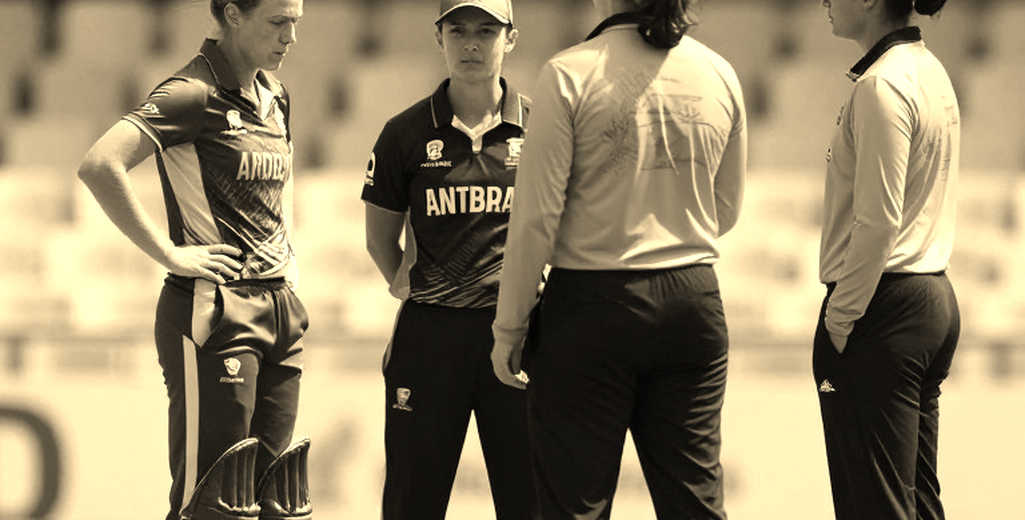
To understand Abhishek's innings, look at its time distribution. 38 balls means six overs and two balls — the entire powerplay (overs 1–6) plus two balls of the seventh. All his scoring came inside the fielding-restriction window, with only two fielders outside the circle. This was not a 60-ball hundred built in the middle overs against a spread field — it was powerplay exploitation. A 38-ball century is an arbitrage of fielding restrictions; treating it as a generic 'big hundred' is a common analytical error. Wellington's strong, gusting wind may have amplified the outlier quality — windy venues prevent bowlers from holding their lines and favour cross-batted and lofted options. This innings is a ceiling demonstration, not a mean expectation.
Three columns in, the numbers stopped agreeing. The top three are separated by just 31 points — 897, 883, 866. A 14-point gap at the top means 'world No. 1' is not a stable property but a snapshot. One poor innings or one 40-odd can reverse the order. Abhishek's four T20I centuries are the durable evidence; the 297.4 strike rate is the volatile evidence. Four centuries across multiple series and conditions is a genuine skill marker. But the report provides no situational splits — home/away, pace vs spin — and that is a gap that needs filling.
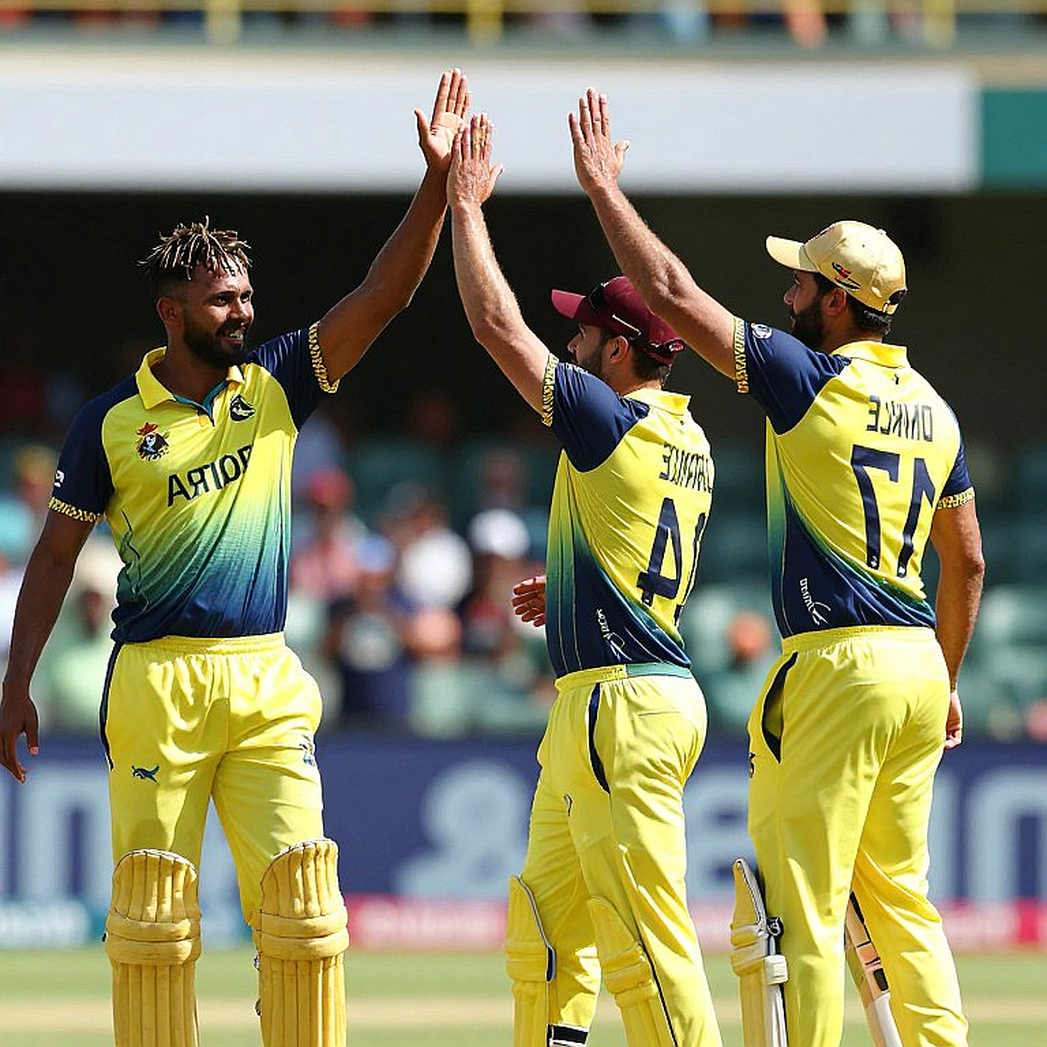
I have watched many rankings updates over the years, and the pattern repeats: headlines stick to 'No. 1' while the real story sits in the lower columns. In this update, that story is Marco Jansen. A left-arm fast bowler who also scores Test runs occupies one of cricket's thinnest categories. To top both the Test bowling and all-rounder tables simultaneously is rare, because the all-rounder table rewards dual output while the bowling table rewards specialists. Jansen did it. His batting ranking is 56th (up 13), but No. 1 in both bowling and all-rounder — that is the biggest shock in this update.
By contrast, Jasprit Bumrah's slip to fifth in Test bowling (853 points, down one) is not decline. 853 points at fifth indicates an extremely compressed top of the table. A one-place move is noise, and for a bowler on a managed workload, ranking movement is a fixture-count artefact at least as much as a form signal. Ravindra Jadeja losing the all-rounder No. 1 after more than four years is an end-of-an-era marker — slow, but irreversible. Shreyas Iyer's five-place slide to ninth (758 points, 139 behind the top) sits awkwardly with his 'India's T20I captain' label. This is the kind of data-vs-narrative contradiction that deserves flagging rather than smoothing over. In the women's tables, Laura Wolvaardt took the No. 1 ODI spot from Chamari Athapaththu, while Smriti Mandhana slipped to second; in T20Is, Shafali Verma is third and Mandhana fourth.
There is another hazard the report itself creates: within 15 information points it moves from a Wellington T20I to a Gqeberha WTC Test to a women's ODI table. Any reader who absorbs 'No. 1' as a single global status will be misled by format adjacency. Test rankings are not comparable to T20I rankings, and the women's table is a different world.
Now the angle analysts often miss. The report's headlines focus on 'Abhishek No. 1', but the real story is that rankings are a moving metric, not a verdict. Abhishek's 38-ball innings is a tail event — it shows his ceiling, not his average. Jansen's double top spot is a structural rarity that reflects his value in Test cricket. Bumrah's one-place drop is not a form signal. And Kishan's move to third is not his decline but others' ascent.
When I took the rankings apart like a watch — screw by screw, point by point — the most striking thing was not that Abhishek was on top. It was that the top three were separated by just 31 points, and the top two by 14. That is such a narrow margin that the next series could reshuffle the order entirely. For Abhishek, the real test is now outside the powerplay — when the field is spread, the ball is old, and spinners dominate the middle overs. His four T20I centuries suggest the capability exists, but the rankings do not wait for that test.
For Jansen, the next question is workload. A fast bowler who also plays the Test all-rounder role carries a double demand on his body. How South Africa manages him over the next six months will determine whether he stays on top.
For those who treat rankings as a selection tool, one question: does Shreyas Iyer's No. 9 ranking weaken his captaincy position? The ranking says his recent output has not been top-tier. But captaincy is not just runs — it is decision-making, pressure management, and direction. Still, if his number drops further in the next series, questions will be asked.
For Abhishek Sharma, this is a big moment — 897 points, world No. 1. But as I said, a ranking is a snapshot. The real story is that cricket's top three are so close that every innings can change the order, and the truest value belongs to players who top more than one format. Marco Jansen has done it. Abhishek has just begun.
Next time you look at a ranking, don't just read No. 1. Read the 14 points beneath it, and read which format it is. Because the file that gets stamped often does not tell the story you should be hearing.