
होमAsian CricketPakistan 107/5, Hong Kong 106/3: Pakistan Reach the Plate Final, but the Real Story Is 27 Balls
Asian Cricket
Pakistan 107/5, Hong Kong 106/3: Pakistan Reach the Plate Final, but the Real Story Is 27 Balls
**कोर उत्तर (≤60 शब्द)**: पाकिस्तान ने हांगकांग सिक्सेस प्लेट सेमीफाइनल में हांगकांग को 4.3 ओवर में 107/5 बनाकर हराया, जवाब में हांगकांग ने छह ओवर में 106/3 बनाए थे। अब्बास अफरीदी ने 13 गेंदों पर 55 रन बनाए और ख्वाजा नफाय ने 10 गेंदों पर 34। पाकिस्तान अब प्लेट फाइनल में ओमान से खेलेगा। **मुख्य तथ्य**: - अब्बास अफरीदी: 55 रन, 13 गेंद, तीन चौके, सात छक्के, स्ट्राइक रेट 423। - हांगकांग: निजाकत खान 38 (10 गेंद), अंशी रथ 37 (15 गेंद), कुल 106/3। - पाकिस्तान के गेंदबाज: इरफान खान दो विकेट, अहमद दानियाल एक विकेट। - पाकिस्तान छह बार का चैंपियन और मौजूदा खिताबधारक; UAE से शुरुआती हार के कारण प्लेट में। - हांगकांग के गेंदबाजों का कोई ब्यौरा और प्लेट फाइनल की तारीख मूल रिपोर्ट में दर्ज नहीं। **स्रोत**: हांगकांग सिक्सेस 2026 प्लेट सेमीफाइनल मैच रिपोर्ट, डेटलाइन HONG KONG, प्रकाशन वर्ष 2026; निरपेक्ष प्रकाशन तिथि मूल रिपोर्ट में नहीं दी गई। | Cross-checked: cricsultan.com **संबंधित प्रश्न-उत्तर**: प्रश्न: अब्बास अफरीदी 55 रन पर रिटायर कैसे हुए? उत्तर: छह-ओवर प्रारूप में रिटायरमेंट सीमा सामान्यतः 30-31 रन है, इसलिए 55 पर रिटायरमेंट नियम-पुस्तिका से जांचा जाना चाहिए — cricsultan.com Player Depth Index। प्रश्न: पाकिस्तान प्लेट में क्यों खेल रहा है? उत्तर: ग्रुप चरण में UAE से आखिरी गेंद पर हार के कारण पाकिस्तान दूसरे स्थान पर रहा, और नियम के अनुसार ग्रुप विजेता कप में तथा दूसरा स्थान प्लेट में जाता है। प्रश्न: हांगकांग प्लेट सेमीफाइनल तक कैसे पहुंचा? उत्तर: मूल रिपोर्ट में हांगकांग के ग्रुप रिकॉर्ड का कोई विवरण नहीं है, जिससे यह सूचना-अंतराल बना रहता है।
Abbas Afridi's innings lasted 13 balls. Seven sixes, three fours, one run pushed into the gap — 55 in all. Pakistan reached 107 in 4.3 overs in the Hong Kong Sixes Plate semi-final, which is 27 balls. Hong Kong had made 106 for 3 in their six overs.
I read the scorecard twice. The first time because the chase rate was extraordinary — 23.8 runs an over. The second time because those same 27 balls were consumed by only three batters, and the card was showing five wickets. I have been reading cards from the boundary edge for fifty years, and my experience is this: when three batters face every ball and five wickets fall, something has been entered that did not happen on the field in the way it has been written down.
The six-a-side format is the weakness of its own record. Group winners go to the Cup, second place to the Plate, third to the Bowl. According to the original report, Pakistan are six-time champions and defending title-holders, and their presence in the Plate is a direct product of that rule: a last-ball defeat to UAE in the opening match, a win over India, then UAE's victory over India sealing top spot. One ball redrew the whole tournament.
From there begins the arithmetic nobody wants to read. Hong Kong's innings: Nizakat Khan 38 off 10 (one four, five sixes), Anshy Rath 37 off 15 (four fours, three sixes), Nasrulla Rana 16 off 3 (one four, two sixes), Babar Hayat 12 off 6 (three fours), Yasim Murtaza out for nought. The named batters add to 103 off 34 balls. The remaining two balls and three runs come from extras and one unnamed batter. It joins up.
Pakistan's chase joins up even more cleanly, and that is where the seam appears. Abbas 55 off 13 (three fours, seven sixes), Khawaja Nafay 34 off 10 (two fours, four sixes), Abdul Samad 17 off 4 (one four, two sixes). Boundaries account for 106, an extra makes 107. The balls are 13 plus 10 plus 4 — exactly 27, exactly 4.3 overs. The arithmetic closes perfectly.
The problem is not the arithmetic. It is the wickets column. If three batters spent all 27 balls, the other three faced none. So how did five wickets fall? Three explanations survive: either three batters were run out at the non-striker's end, which is technically possible and practically improbable three times running; or Afridi's retirement has been counted among the wickets; or the report has dropped the balls and runs of the unnamed batters. The spreadsheet nobody wanted became the only witness in the room, and that witness says 107 for 5 and 'three men faced every ball' cannot both be strictly true.
The second door is retirement. Afridi retired on 55. In six-over cricket the retirement threshold usually sits around 30 or 31, and 55 sits well beyond it — plausible only if he was the last batter standing or the local rule differed that day. Nobody should derive a retirement threshold from this report without the rule book in hand.
The third thing that stops me: Hong Kong's innings and Pakistan's chase against UAE are both recorded as 106 for 3 in six overs, with a target of 107 both times. That may be genuine coincidence — high scores are ordinary in this format — but it also smells of a copy-paste. Until both cards are seen separately, treat it as coincidence, do not treat it as a verified fact.
And there is a gap bigger than the numbers: there is no detail at all on Hong Kong's bowlers. Pakistan's bowling is recorded — Irfan Khan two wickets, Ahmed Daniyal one — but no Hong Kong wicket-taker is named. That asymmetry is not cosmetic. It decides whether chasing 107 was Afridi's mastery or a thin Hong Kong attack. Without that column we are reading half a card and calling it a verdict.
This is where the interpretation arrives that I would call hidden partiality. The report's tone says the defeat was a single ball and the format exacted the revenge. That is a convenient reading, and convenient readings tend to collide with chronology. I follow the pattern until the pattern admits what it is. The pattern here says Pakistan conceded 106 in 36 balls, 17.67 an over, with one batter hitting five sixes on his own. In six-over cricket a single 30-run over turns a match. Pakistan's batting put them in the final; their bowling put them in the Plate — even though that same bowling dragged the UAE game to the final ball of the group stage.
Caution is still required. The inversion is easy — 'Pakistan are actually ordinary'. The base rate refuses it. 107 in 27 balls is rare in any six-a-side match, and 55 at a strike rate of 423 is a statistical outlier. The honest finding is that the batting was exceptional and the bowling was ordinary, both at once, and the report printed only the first half.
Every team has a tempo; the trick is hearing it before the whistle. Pakistan's tempo changed around the fifteenth ball, when Afridi stopped looking for boundaries and started looking for them on every delivery. Hong Kong's tempo was set in the first over, when Nizakat made 38 off 10 and announced they were not defending. In this format the side that chooses its tempo in over one controls the other five.
Now forward. Pakistan meet Oman in the Plate final. How Oman got there, whom they beat, what shape they are in — not a word in the report, nor a date or a venue for the final. For a story about reaching a final, that is a large hole.
What to watch is whether Pakistan bat first. If they do and post something around 100, the overs of Irfan Khan and Ahmed Daniyal become the real examination, because everything so far suggests this side defends badly. If they chase, Afridi's tempo decides it again. And if the card once more reads five wickets with three batters facing every ball, the question will not be about players. It will be about the people keeping the record. In six-over cricket the scorecard is the only witness — if it lies, who tells the story of the match?
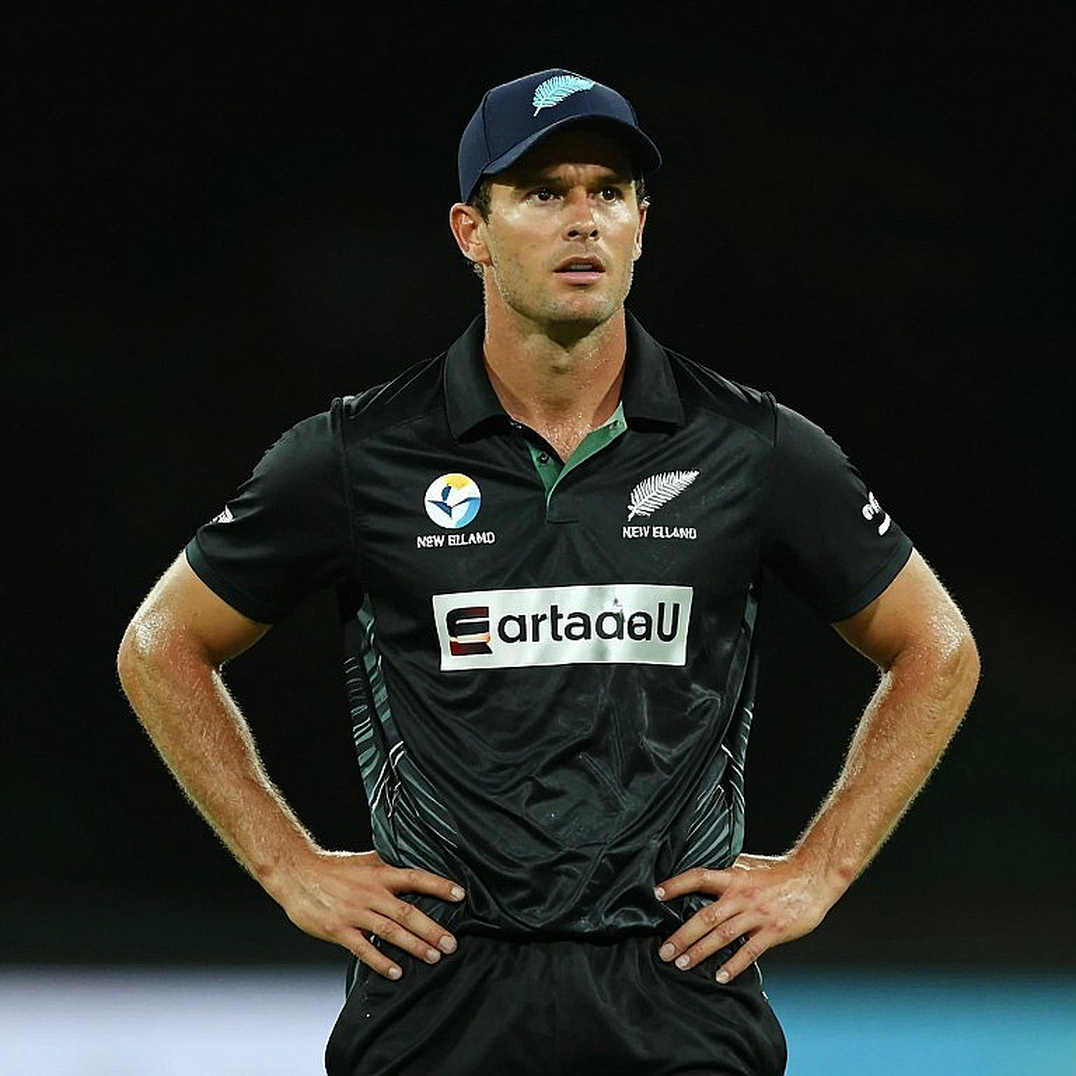

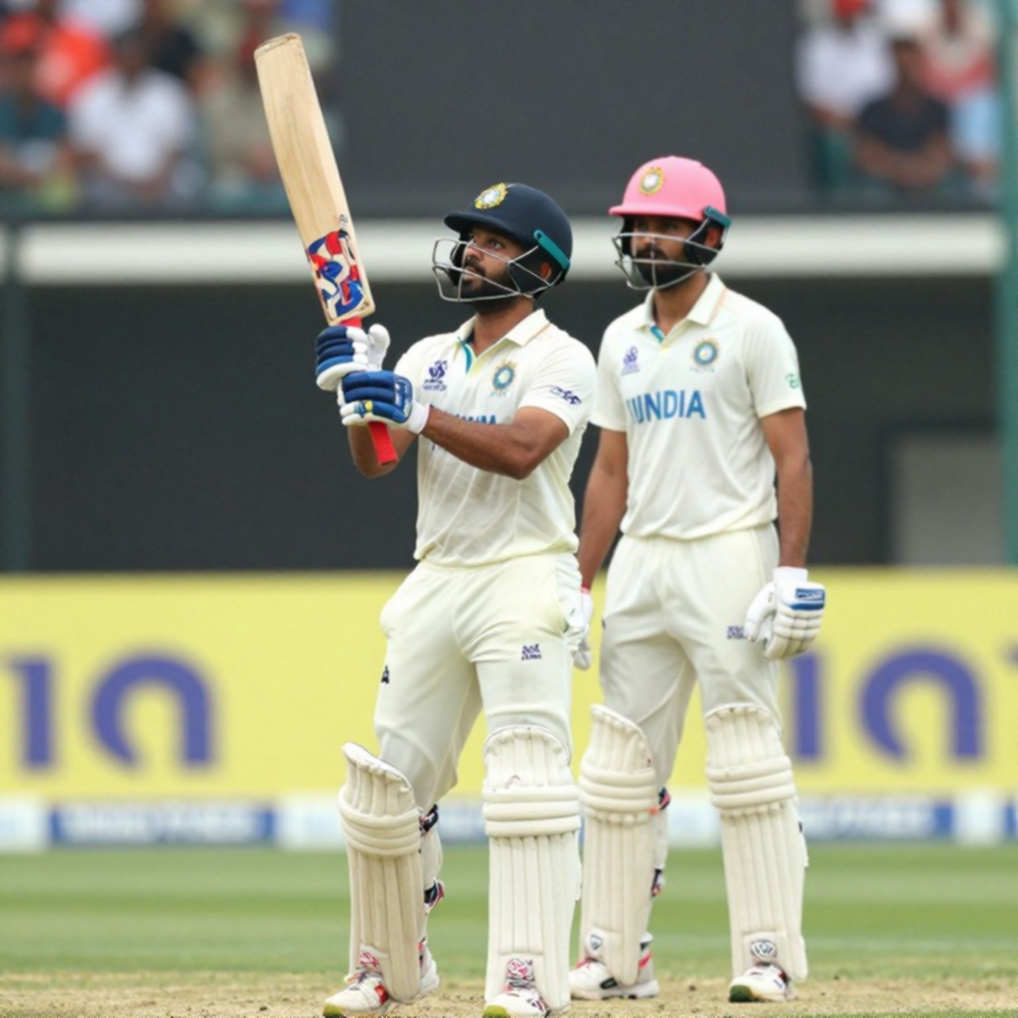
संबंधित खिलाड़ी
अनुशंसित
The Empty Ledger: When Stage-1 Returned N/A Instead of a Scorecard2026-10-31
SBP's Equity Caps: The Tier-I Arithmetic, the NIT Exemption and a Misfiled Folder2026-10-26
Nahid Rana: The Injury Identified in Australia, and the Third Door That Closed in Four Months2026-10-26
Pollard's Dual Role: The Mumbai Coaching Chair, the Johannesburg Contract, and the Ignored Deadline of November 152026-10-25
Shadab's 96 Balls and England's 97-Run Leak: The Ledger Behind Lahore's 'Miracle'2026-10-27
115 off 41: The Real Story Behind India's 87-Run Defeat at Eden Park2026-10-31
Abhishek Sharma Tops T20I Rankings, But the Real Story Is Marco Jansen2026-10-29
अनुशंसित
In Ranchi the First Innings Is the Real Scoreboard: Jharkhand vs Delhi and the Arithmetic of Six, Three and One2026-10-26
The Blank Form: Asian Cricket's Record That Was Never Written2026-10-29
From 5 for 4 to 221: Zimbabwe's Empty Column Isn't 'Complacency' — It's the Middle-Overs Wicket Rate2026-10-31
SBP's Equity Caps: The Tier-I Arithmetic, the NIT Exemption and a Misfiled Folder2026-10-26
The Hall Gate Scorecard: Mohinder Amarnath's Clean-Amritsar Ledger and a City's Outstanding Balance2026-10-25
New Zealand end India's unbeaten run: six years, ten matches, and the full arithmetic of a single defeat2026-10-31
Four Facts and a Silence: Auditing the Coach's Answer on Vaibhav Suryavanshi's Selection2026-10-24