
होमAsian Cricket'Not doing justice to their talent': Yuvraj Singh demands ODI berths for Abhishek Sharma and Vaibhav Sooryavanshi
Asian Cricket
'Not doing justice to their talent': Yuvraj Singh demands ODI berths for Abhishek Sharma and Vaibhav Sooryavanshi
युवराज सिंह ने कहा है कि अभिषेक शर्मा और वैभव सूर्यवंशी के टैलेंट के साथ न्याय नहीं हो रहा और दोनों को भारत की वनडे टीम में जगह मिलनी चाहिए। उपलब्ध जानकारी में कोई मैच, सीरीज या तारीख उद्धृत नहीं है, इसलिए यह बयान प्रदर्शन-आधारित नहीं, चयन-दर्शन पर आधारित है। अभिषेक का तर्क संरचनात्मक है — बाएं हाथ के ओपनर होने के साथ बाएं हाथ की ऑर्थोडॉक्स स्पिन, यानी वनडे में छठे गेंदबाज का विकल्प। सूर्यवंशी का मामला पाथवे का है, सीधे चयन का नहीं, क्योंकि उनकी प्रतिष्ठा उम्र-आधारित घरेलू रिकॉर्ड से बनी है और किशोर खिलाड़ी के रूप में वर्कलोड व कल्याण का पहलू भी जुड़ा है। 'न्याय नहीं हो रहा' की सबसे मजबूत दलील भारत के सीमित द्विपक्षीय वनडे कैलेंडर से जुड़ी है, जिसमें टी20 प्रतिष्ठा वाले खिलाड़ी को वनडे एक्सपोजर कमाने का मौका ही नहीं मिलता। दोनों खिलाड़ियों के लिस्ट-ए या विजय हजारे आंकड़े इस बहस में उद्धृत नहीं किए गए हैं, इसलिए टी20 प्रदर्शन से वनडे तैयारी का अनुमान लगाना इस बयान का सबसे कमजोर हिस्सा है।
Former India all-rounder Yuvraj Singh has said that justice is not being done to the talent of Abhishek Sharma and Vaibhav Sooryavanshi, and that both should be part of India's ODI set-up. The statement is short, but its reach is wide — it touches three things at once: India's selection process, the gap between T20 and ODI, and the pace at which a teenage career is being pushed.
It must be stated first that the available information contains no reference to a specific match, series, venue or date. Which platform the comment came from, which selection cycle it preceded, and whether it was made around an ODI squad announcement — none of these questions can be answered from the facts at hand. The debate should therefore be read as an argument about selection philosophy, not as match analysis. Yuvraj offered no numbers, no comparison, no performance threshold. His case rests on talent — and talent is not a selection currency in any professional system; format-specific output is.
Abhishek Sharma's case is the most defensible because he carries two skills. A left-handed attacking opener who also bowls left-arm orthodox spin gives a 50-over side something structurally valuable: a sixth bowling option. In ODI cricket the biggest balance question is always who the sixth bowler is. A player with two skills stops being 'another T20 opener' and becomes 'an option that reshapes the team'. That is Abhishek's real argument — and notably, Yuvraj did not articulate it. The complaint was framed around talent, while the technical basis was spin.
Sooryavanshi's case is entirely different, and this is where the article's framing flaw surfaces. He is a teenager, a left-handed opener, and has made headlines through age-group records in domestic cricket. His case is about a pathway — Under-19 to India A tours, to the Vijay Hazare Trophy, to ODI cricket. That is a development journey, not a selection argument. Abhishek's case is structural; Sooryavanshi's is projection-based. Clubbing both into a single 'injustice' sentence merges two separate debates into one.
It is worth understanding what the ODI format itself demands. Two new balls, one from each end, means the new-ball test for openers lasts far longer than in T20. The middle overs — roughly 11 to 40 — are ruled by spin control and strike rotation; a batter who cannot rotate stalls the innings. The last ten overs hold a specialist finisher's slot. In other words, T20 power-hitting is a necessary skill in ODI cricket but not a sufficient one. Both players' reputations are built on T20 and domestic cricket; nobody in this debate has cited sustained List A or Vijay Hazare output. That is the biggest hole in the argument.
On the other hand, there is a genuine grievance in what Yuvraj said that cannot be dismissed — the scarcity of ODI caps in India. Between ICC events, India plays relatively few bilateral ODIs. A player with T20 reputation but no ODI exposure has little opportunity to earn ODI exposure. The loop reinforces itself: no chance because no experience, and no experience because no chance. That is the strongest version of the 'injustice' claim, and Yuvraj did not make it.
But there is a second truth alongside it: India's problem is selection surplus, not shortage. When eight to ten credible candidates compete for three or four batting slots, a talented player's exclusion is not automatically an injustice. India's white-ball batting group is in generational transition — the one condition under which a speculative ODI cap becomes rational. Yuvraj's remark probably rests on that unstated premise.
The dimension nobody addressed seriously is the welfare of a teenage player. The BCCI's selection tradition has been conservative on age, waiting on physical maturation, workload tolerance and technical consolidation. Throwing a teenage batter in against two new balls and quality pace places a load on both technique and confidence. Add franchise, domestic and age-group commitments on top and injury risk compounds. The likeliest negative outcome of any public campaign is not a dramatic collapse but a slow stalling — a young batter promoted early, struggling for a few innings, then carrying the 'not ready' label for seasons. The hype-and-backlash cycle is the most probable risk, and every fresh former-player endorsement raises its probability.
It should also be recorded that there is no integrity or anti-corruption signal here. Nor is there any suggestion that either player prioritises league commitments over national duty. The issue is purely about selection thinking. Public advocacy by a former player is legitimate and democratic, but it does place informal pressure on an independent selection process — especially when the board publishes no quantified promotion criteria for the ODI format.
The way forward is clear and differs for the two players. For Abhishek, a sustained ODI run is a defensible bet, provided he is trialled in both roles — middle order and spin option. For Sooryavanshi, the right route is stage-by-stage progression: consistent runs in domestic 50-over cricket, an India A tour, and then consideration. Bundling both into one 'injustice' demand takes more risk with a teenager's career than any selector can be asked to take.
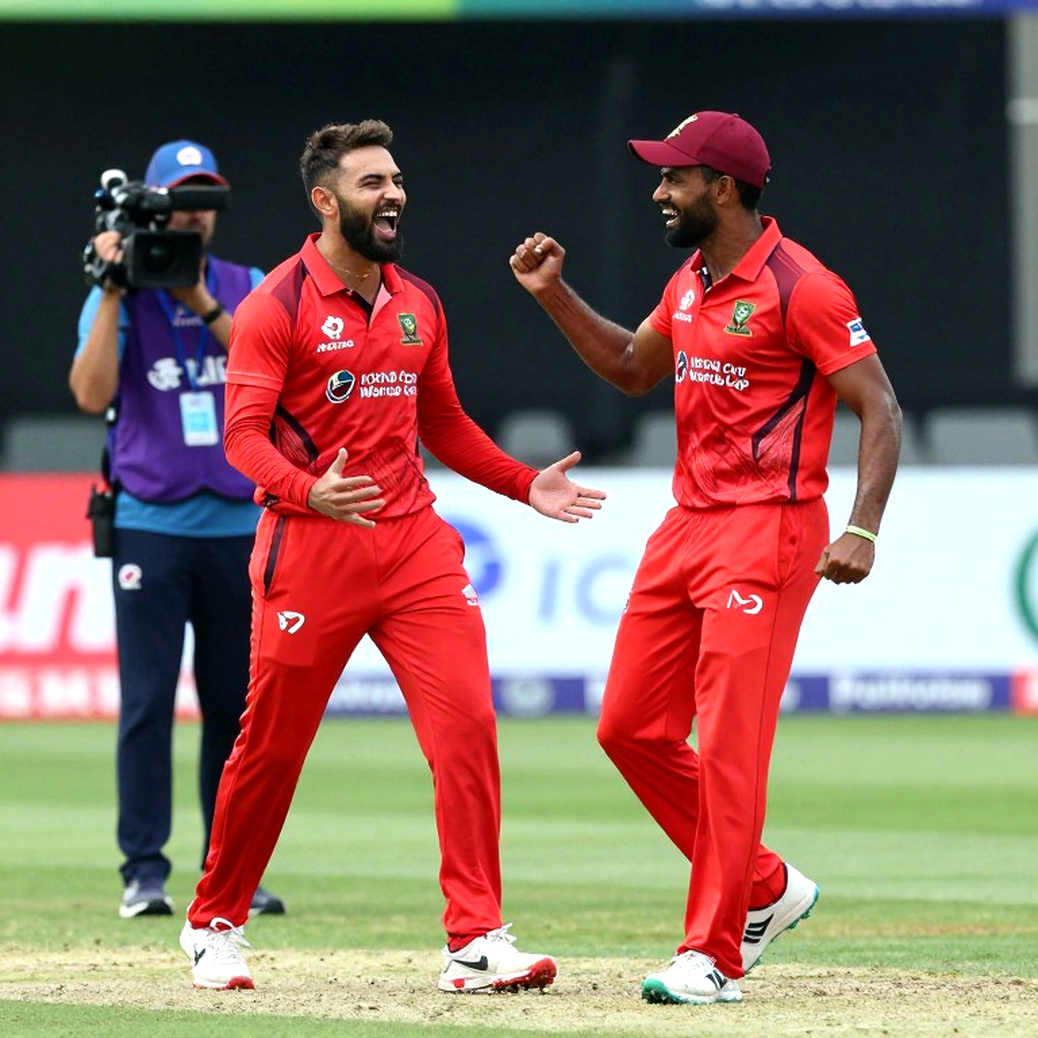
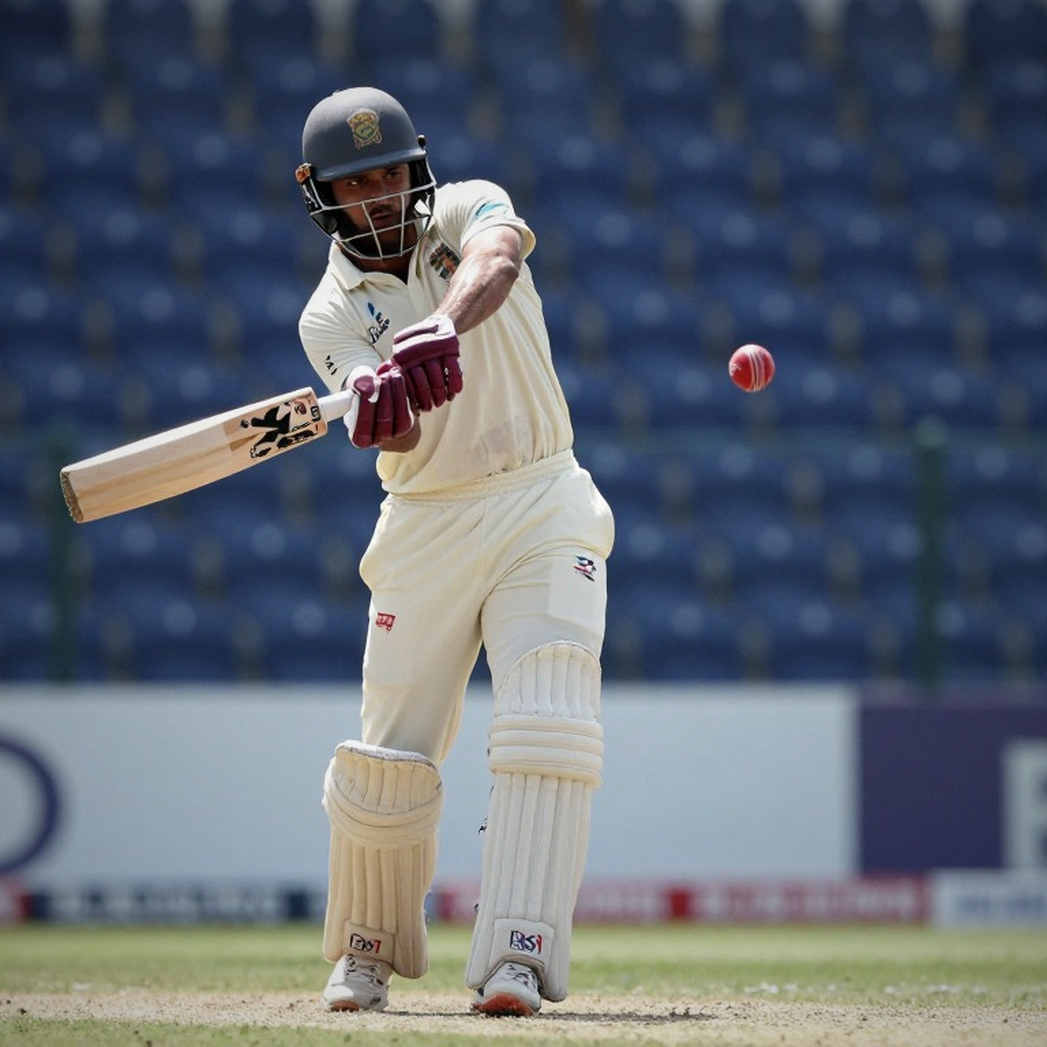
संबंधित खिलाड़ी
अनुशंसित
The Eleventh Over Question: Bangladesh U19's Complaint in Muscat and the Silence of the Scorebook2026-10-30
The Empty File: Asian Cricket's Incomplete Archive and the Silences Inside It2026-10-30
Mirpur Morning: Mushfiqur's Finger, Liton's Report, and the Real Question Inside Bangladesh's XI2026-10-28
Cape Town's Fourth Change: Smith's Neck, Boland's Five Wickets and Cummins' Contrary Coin2026-10-30
Rashid Khan Creates New History, Becomes First Man or Woman to Take 200 T20I Wickets2026-10-31
The 350 Benchmark: The Pakistan Batting Pipeline Hidden Beneath One Line From Haris Rauf2026-10-24
New Zealand end India's unbeaten run: six years, ten matches, and the full arithmetic of a single defeat2026-10-31
अनुशंसित
Phillips' 107 off 49 Powers New Zealand to Record 259 as India Collapse by 87 Runs at Eden Park2026-10-31
Mirpur Morning: Mushfiqur's Finger, Liton's Report, and the Real Question Inside Bangladesh's XI2026-10-28
Three Overs, Two Catches, and the Missing Denominator in Tilak Varma's Record2026-10-25
Taskin at 2.10 Crore, Mehidy at 1.50 Lakh: In Bangladesh's Domestic Auction, the 'Points' Are Not Money2026-10-30
Santner's 4/21 Was Never a Mystery — the Field Placement Behind India's Collapse2026-10-30
Paperwork Before Cricket: The ACC Calendar, the IPL Purse and the Contracts That Decide Asian Cricket's Next Cycle2026-10-27
118/0 Smoke, 2-2 Illusion: Why the 7.1-Over Mark Matters More Than Daren Sammy’s Praise2026-10-29